


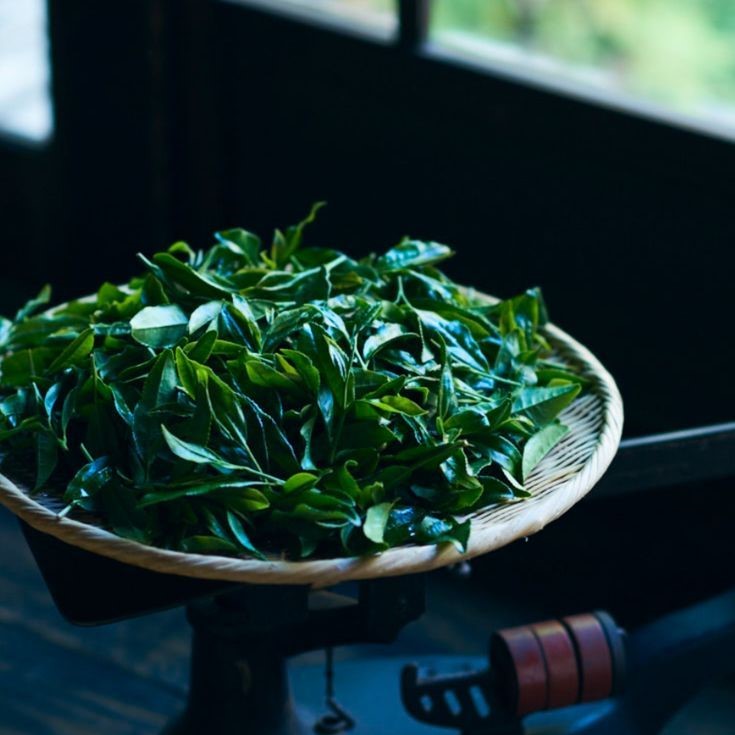
Chinese tea, ready for your own ritual
Pu-erh Tea: Raw & Ripe
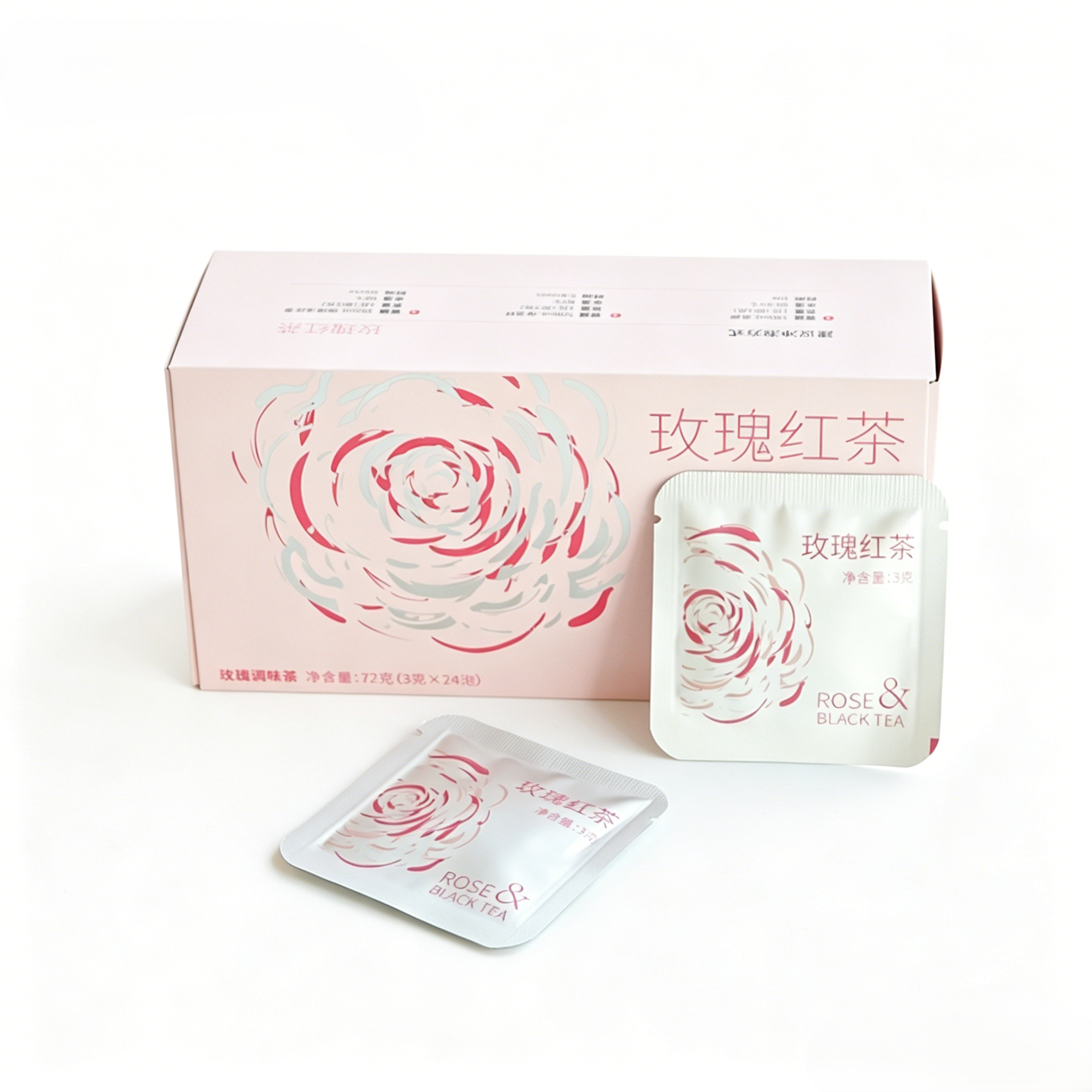
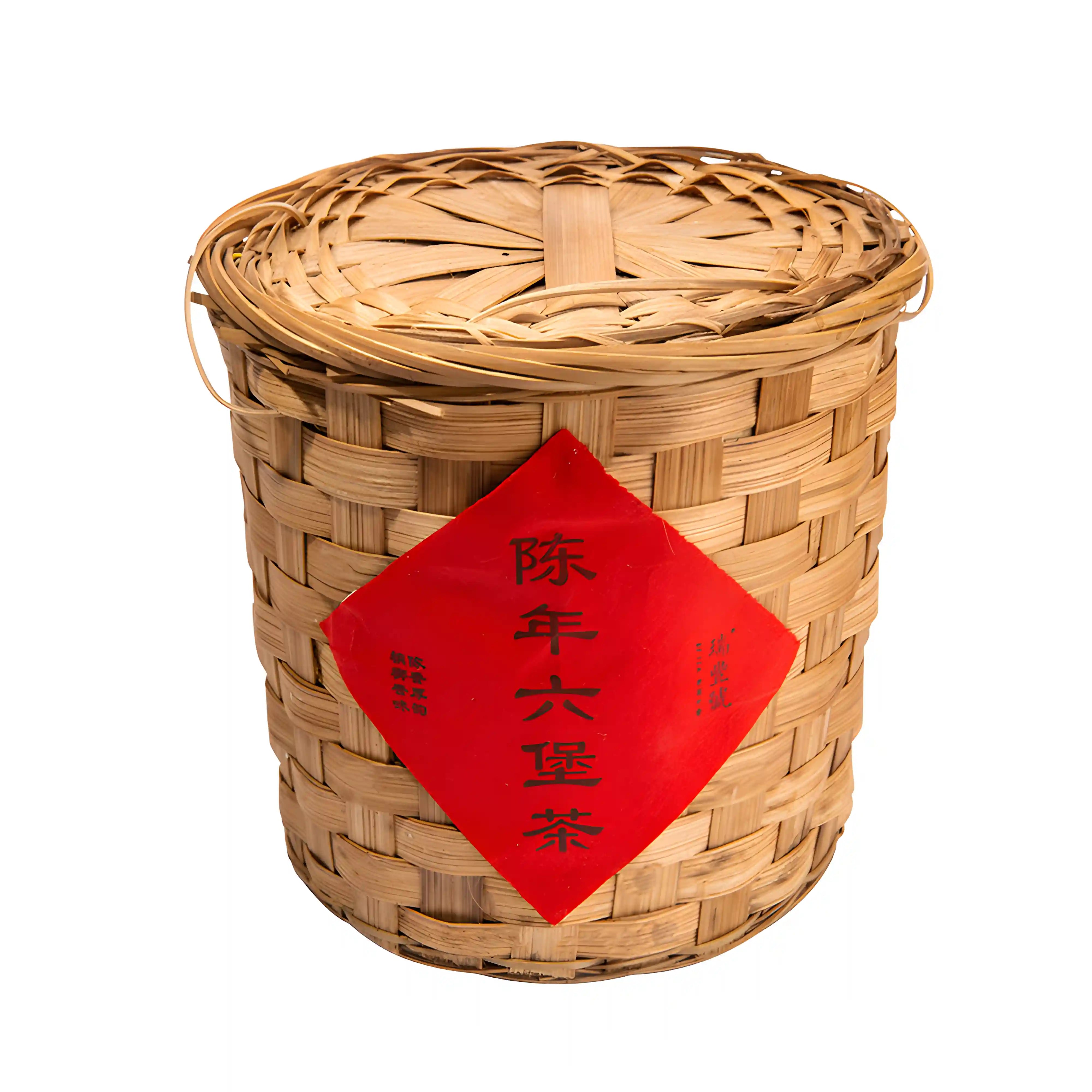
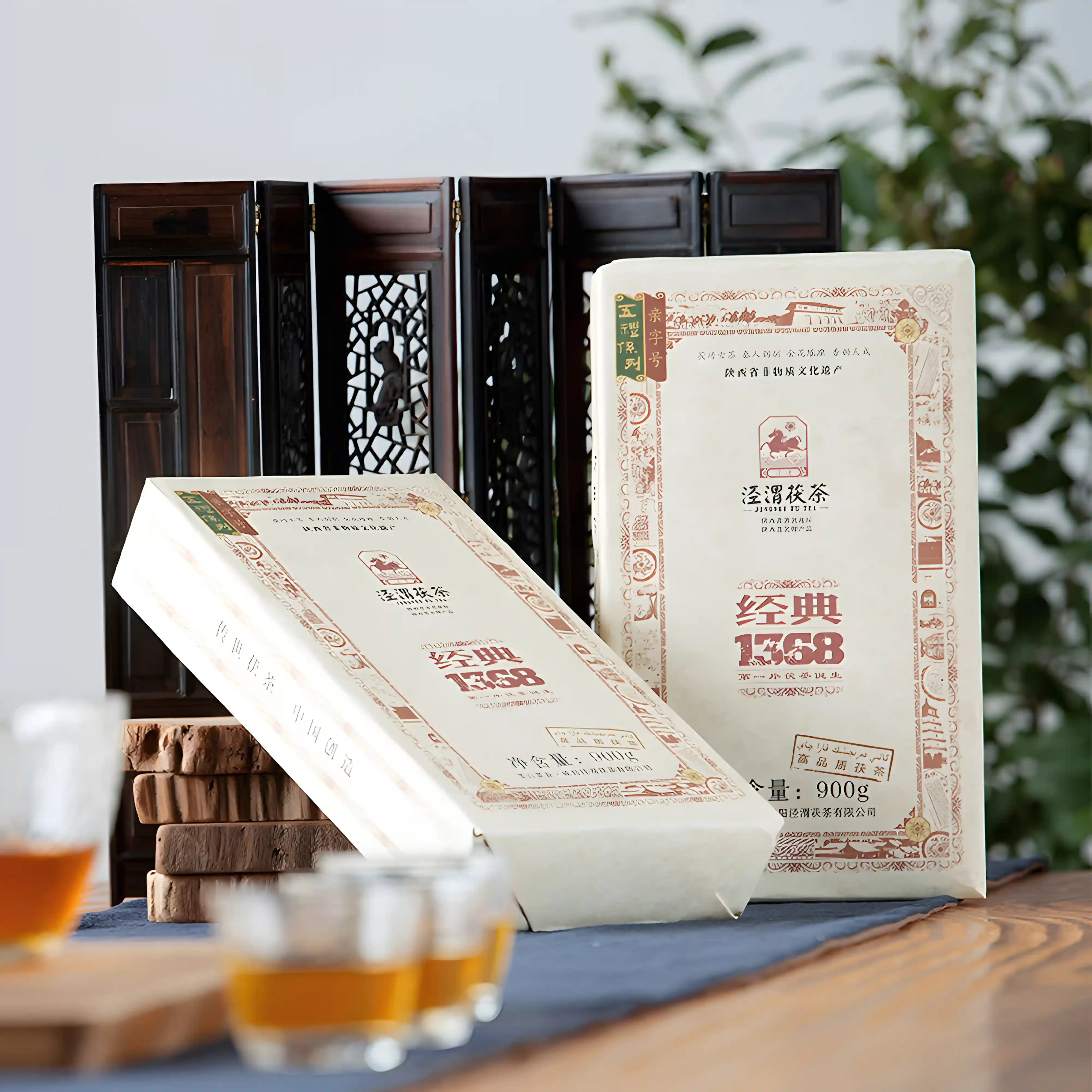
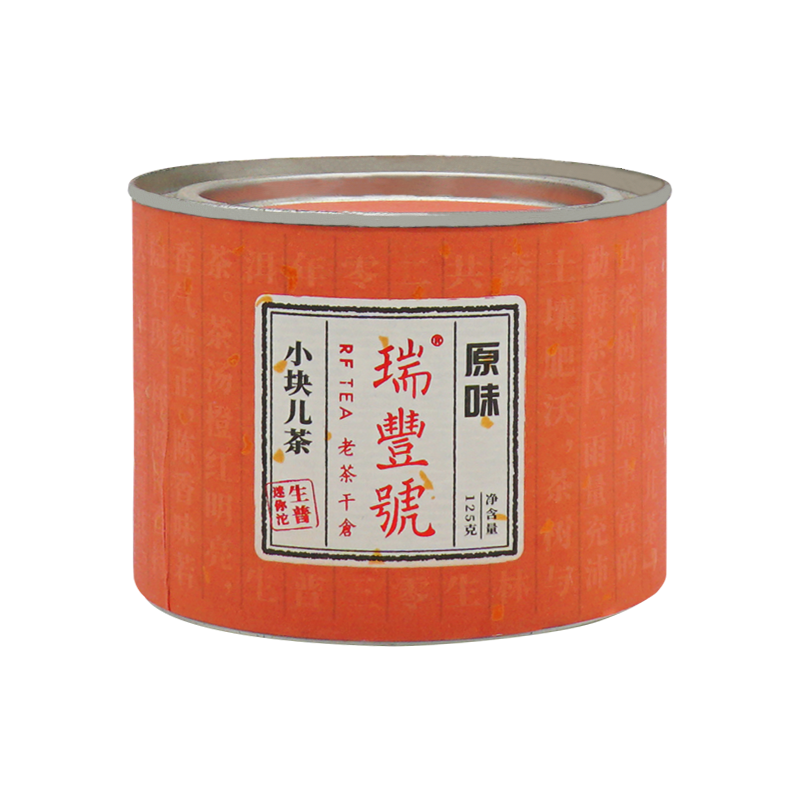
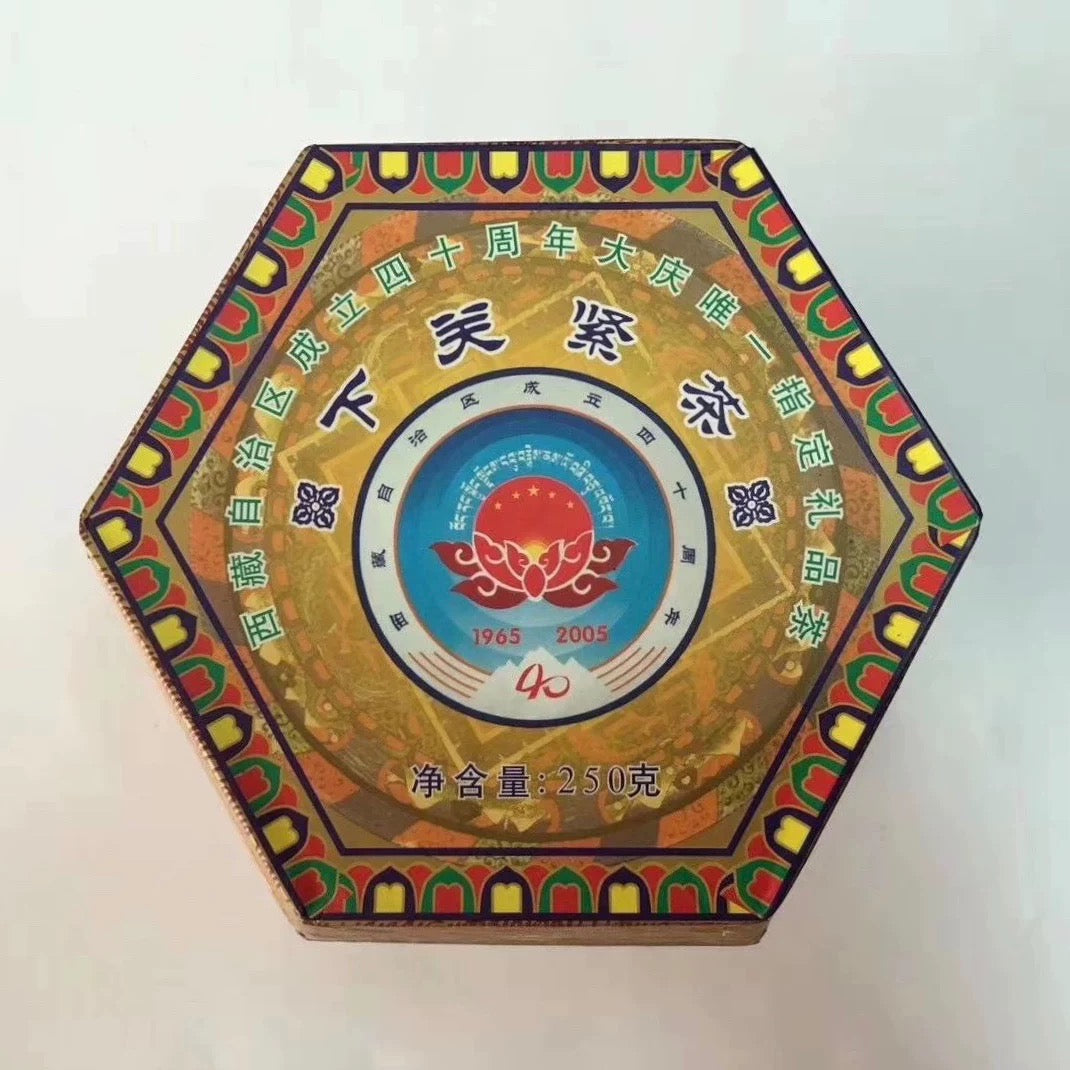
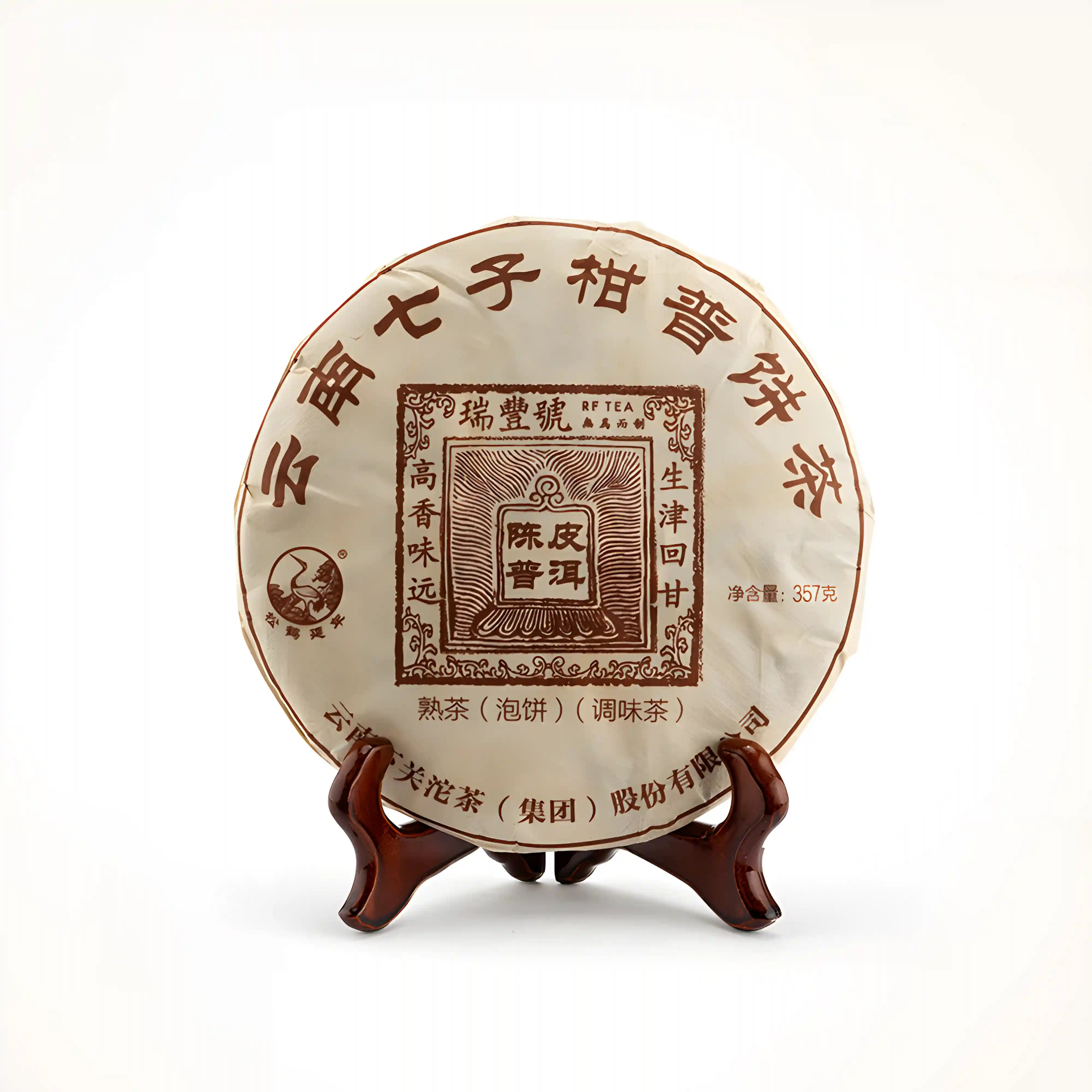
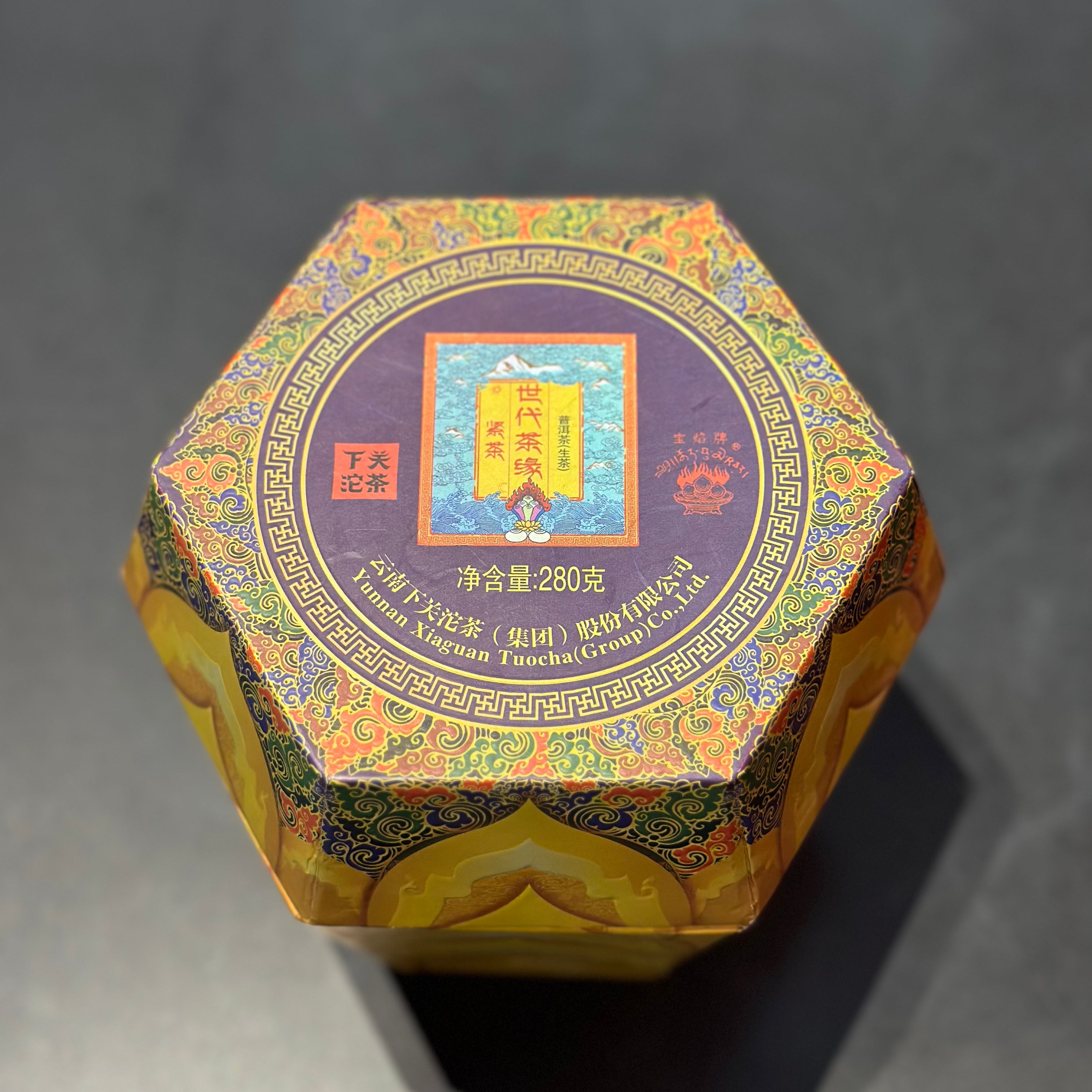
Raw sheng and ripe shou are two distinct directions to explore. Choose a measured loose-leaf or bagged brew, or take time over a cake, tuocha or mini brick. Citrus blends add another ingredient to the comparison.
Shop the selection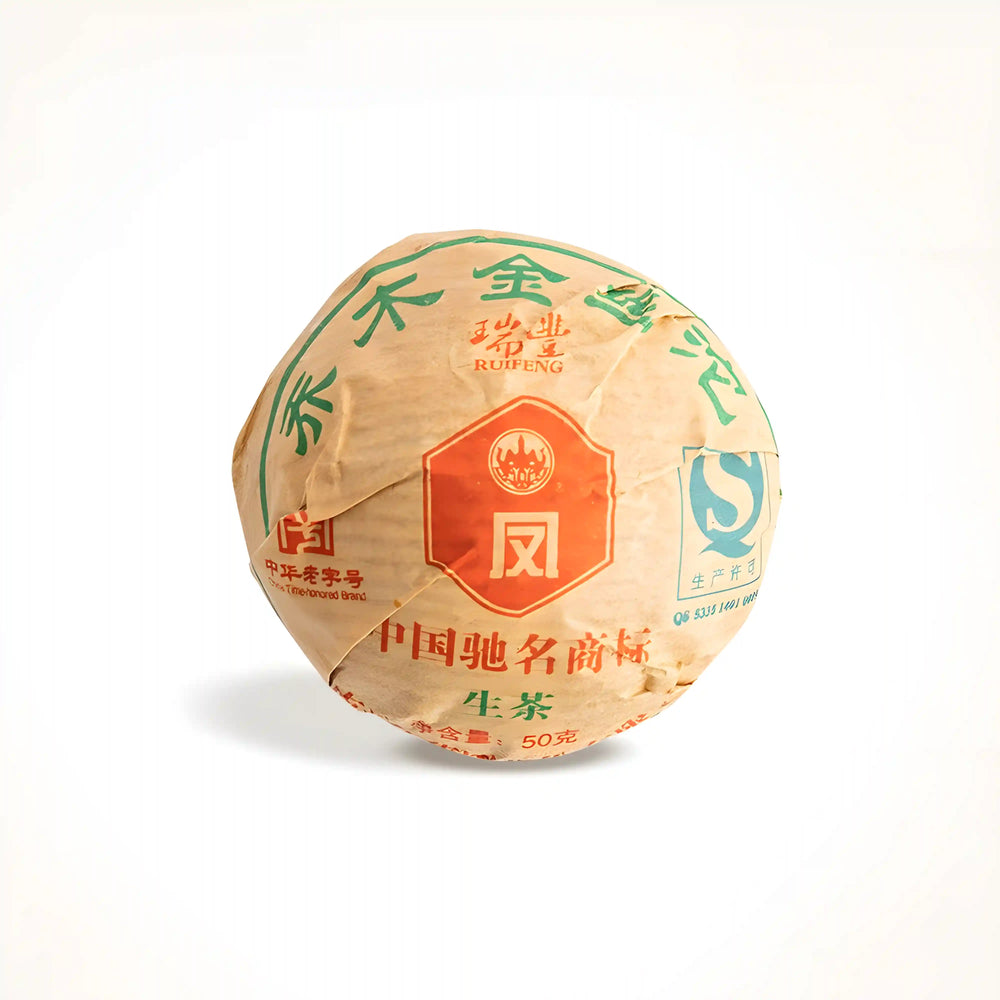






Choosing this tea
Make the raw-or-ripe choice first
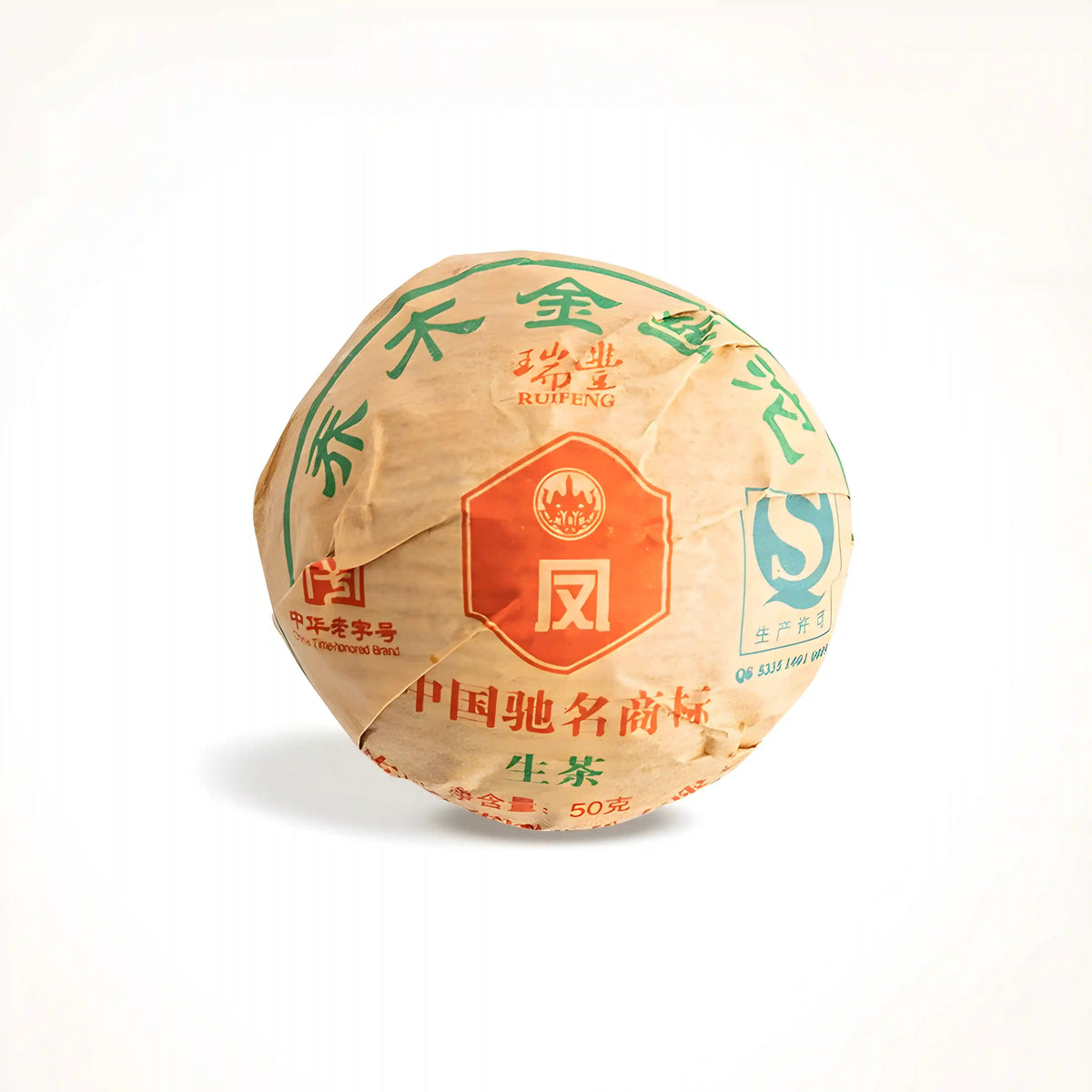
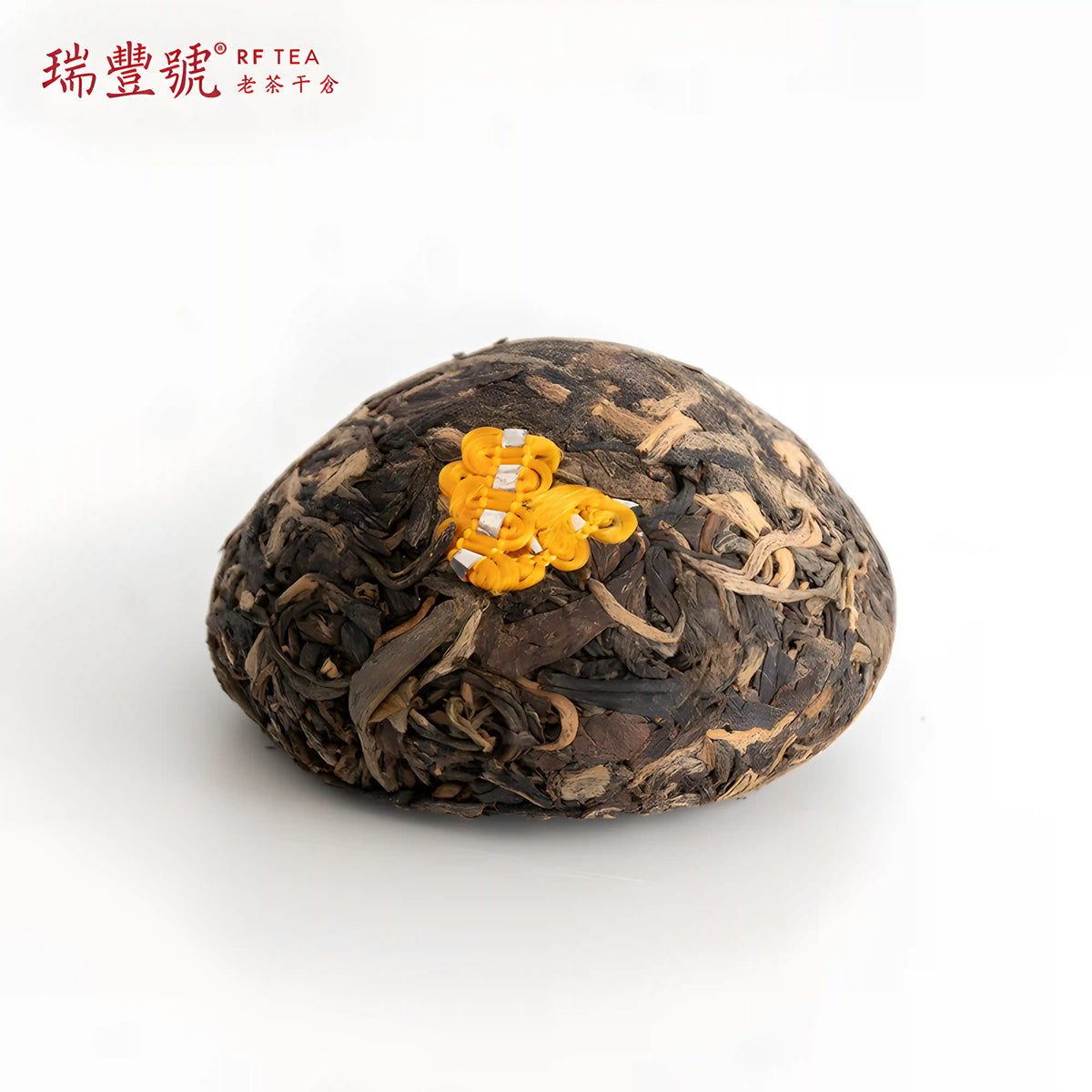
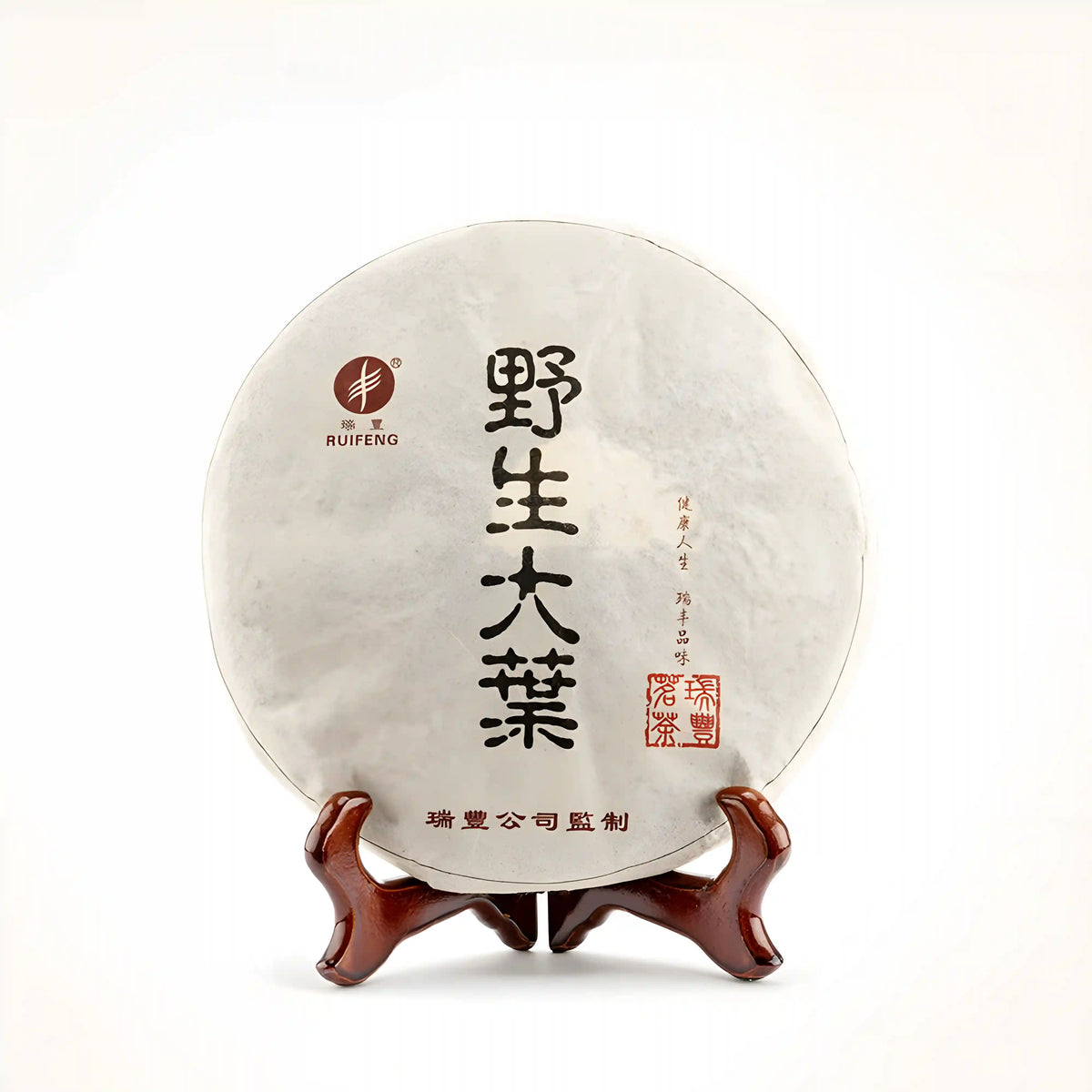
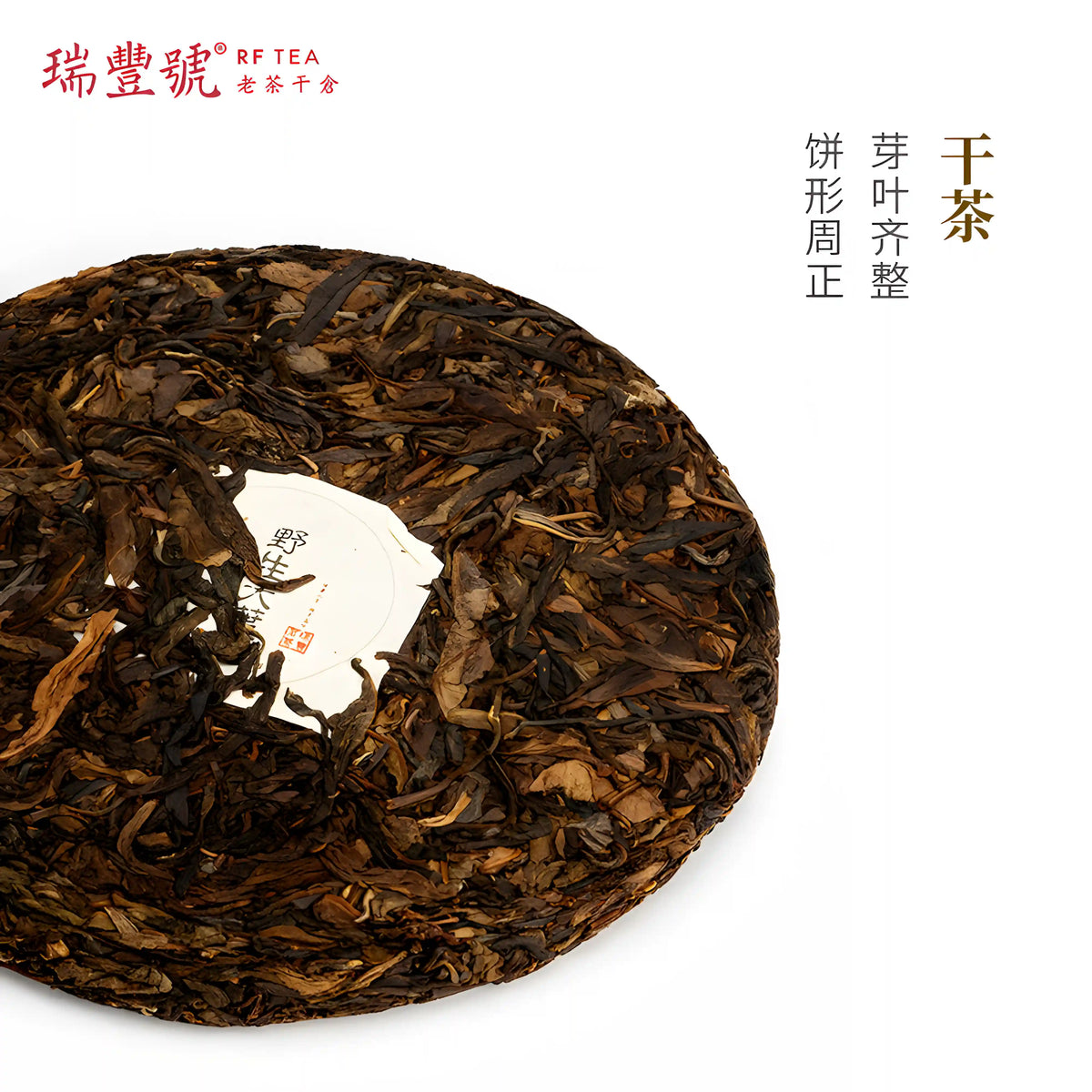
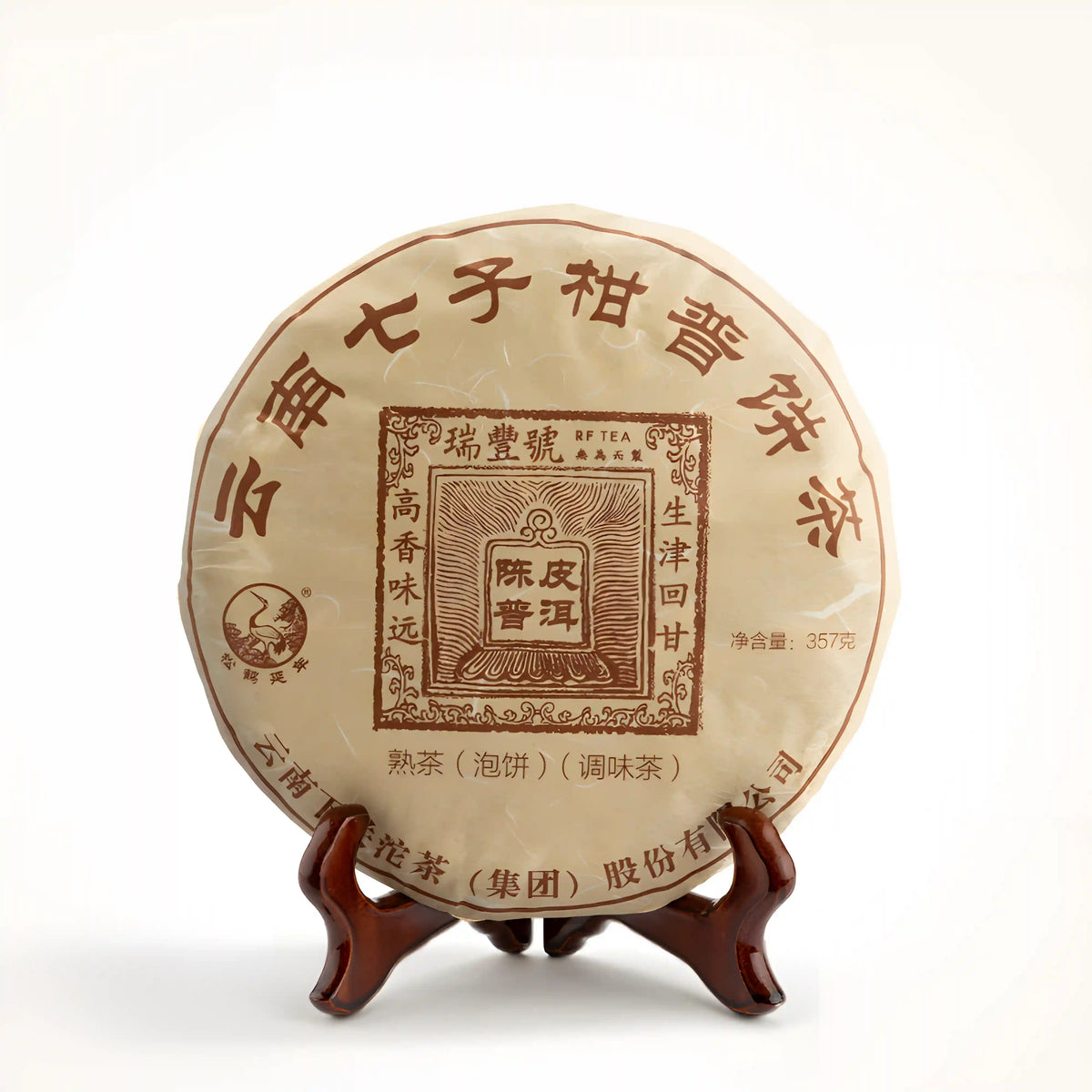
Raw pu-erh can give a brighter, more structured cup, while ripe pu-erh takes a deeper, earthier direction. The tea’s material, processing and storage matter alongside its listed age. A cake supplies many brews, and a small tuocha is not a single tea bag. Begin with a modest measured portion, then compare later pours. Chenpi ripe pu-erh pairs the tea with dried tangerine peel; citrus white tea is a different base altogether.
Useful comparisons
A few practical questions
What should I compare before buying?
Read the ingredients, format, net contents and pack count on the product listing. For teaware, compare capacity and included pieces. Ask about a missing detail before choosing.
Ask about this itemHow should I brew these teas?
Start with the instructions for the exact product. Loose leaves, sachets and pressed portions need different amounts and handling; the brewing guide gives a useful comparison.
Brewing guideDo the teas contain caffeine?
Regular tea leaves contain caffeine, including white tea, aged tea and blends with flowers or citrus. A floral or mellow description does not establish a caffeine-free drink.
Caffeine in tea