


Tea House
Ruifeng tea house
240 Tianhe North Road
Tianhe District, Guangzhou, China
If you are planning a visit, we recommend contacting us in advance to confirm current opening arrangements.

Our Story
The Tea Pure grew from more than four decades of tea work through Ruifeng Hao. Today, we bring together origin-led Chinese tea, careful tasting and storage, and a modern way of helping people discover tea through culture, season and personal ritual.


Where It Began
I grew up around tea rooms, old tea bricks, Yixing pots and the conversations that unfold around a kettle. Long before The Tea Pure existed, tea was part of everyday family life — something to taste, compare, store, share and continue learning from.
What stayed with me was not simply a list of famous tea names. It was the discipline behind them: knowing where a tea came from, noticing how processing changed the cup, understanding when storage helped a tea develop, and learning that experience is built one tasting at a time.
Years later, this commitment to tea culture found a public home in the Guangzhou Ruifeng Tea Culture Museum, where Chinese tea history, craft and contemporary tea culture can be explored beyond the tasting table.
A Different Path
I eventually stepped away from tea to study aerospace engineering. It was a very different world, but it taught me habits that stayed: measure carefully, question assumptions, pay attention to small differences and never confuse a confident claim with evidence.
When I returned to tea, that way of thinking came with me. Not because tea should be reduced to a formula, but because origin, processing, roast, storage, water and brewing all leave traces in the cup. Good tea rewards attention.

Why The Tea Pure Exists
The Tea Pure brings those two perspectives together. We begin with the tea itself — origin, cultivar, season, craftsmanship, storage and cup character — and then help people explore it through the broader culture that has surrounded Chinese tea for centuries.
We look first at where a tea comes from, who made it and how the local environment and craft are expressed in the cup.
Aroma, structure, aftertaste, balance and brewing performance matter more to us than fashionable language or exaggerated claims.
For teas such as Pu-erh and certain white teas, storage is part of the tea's story. We pay close attention to how teas designed to mature are stored and evaluated over time.
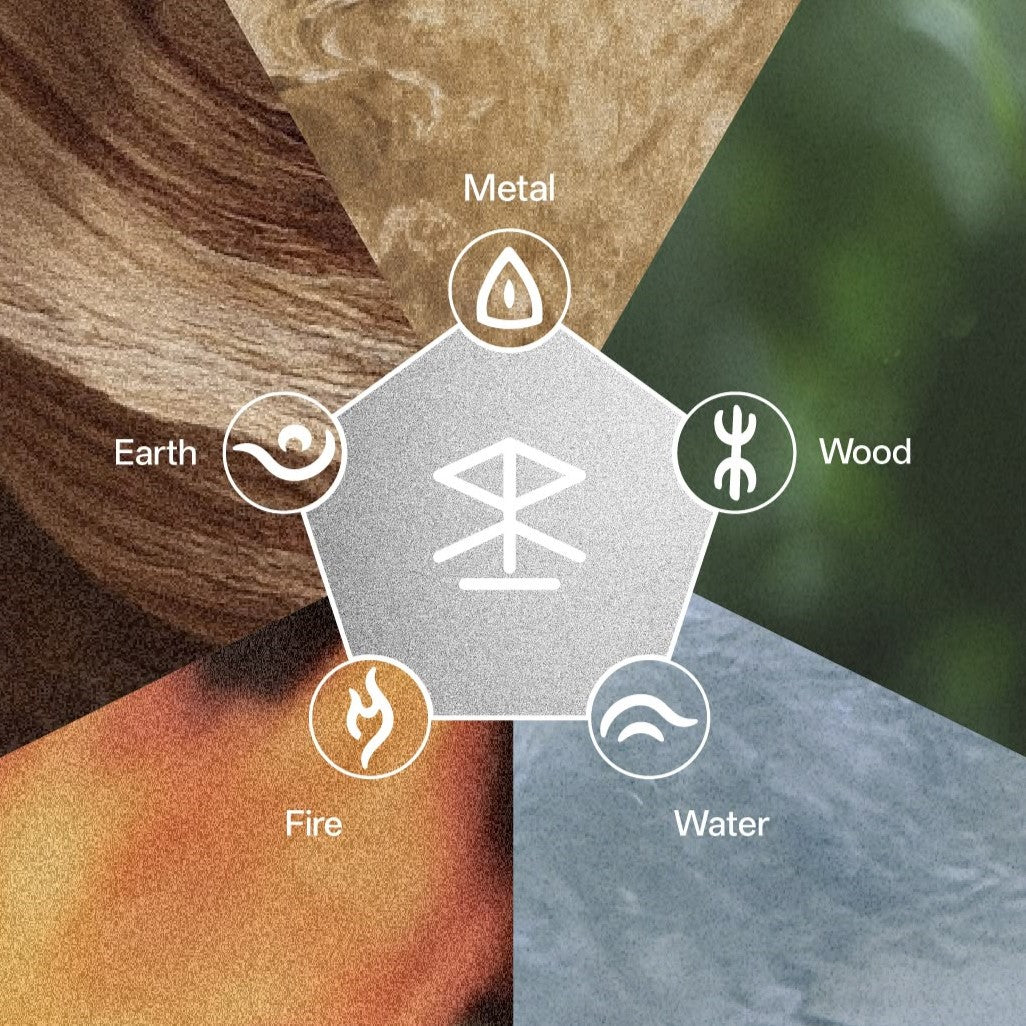
Five Elements, seasonality and BaZi can offer interesting cultural ways to explore tea. We present them as traditions and discovery tools rather than medical prescriptions.

Our Roots Today
The Tea Pure is an online bridge to Chinese tea, but our roots remain physical: tea rooms, producing regions, storage, tasting tables and a museum devoted to sharing tea culture with the public.
Tea House
240 Tianhe North Road
Tianhe District, Guangzhou, China
If you are planning a visit, we recommend contacting us in advance to confirm current opening arrangements.

Tea Culture Museum
51 Yuerong Road
Huangpu District, Guangzhou, China
The museum explores Chinese tea culture, tea history, craft and science. Opening schedules and reservation arrangements can change, so please check the museum's current information before travelling.
Begin Your Tea Journey
Discover Chinese teas selected for origin and character, or explore the Five Elements as one cultural way to find a tea that fits the moment you want to create.
References to the Five Elements, BaZi and traditional tea culture are presented for cultural and lifestyle exploration and are not intended as medical advice or diagnosis.
Have a question? We’re here to help