

Notes for your next cup
Find Your Chinese Tea
The right first tea is one you will enjoy brewing again. Begin with a flavour you recognise, choose a format that fits your day, and leave room for a second cup to surprise you.

Which flavour sounds like your cup?
Floral, with a tea-leaf base
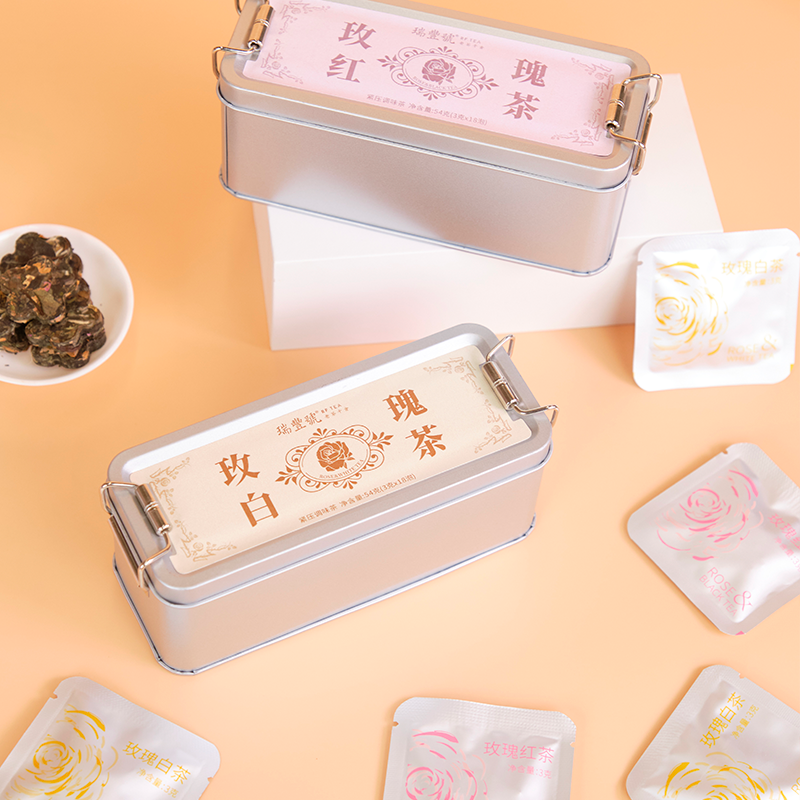
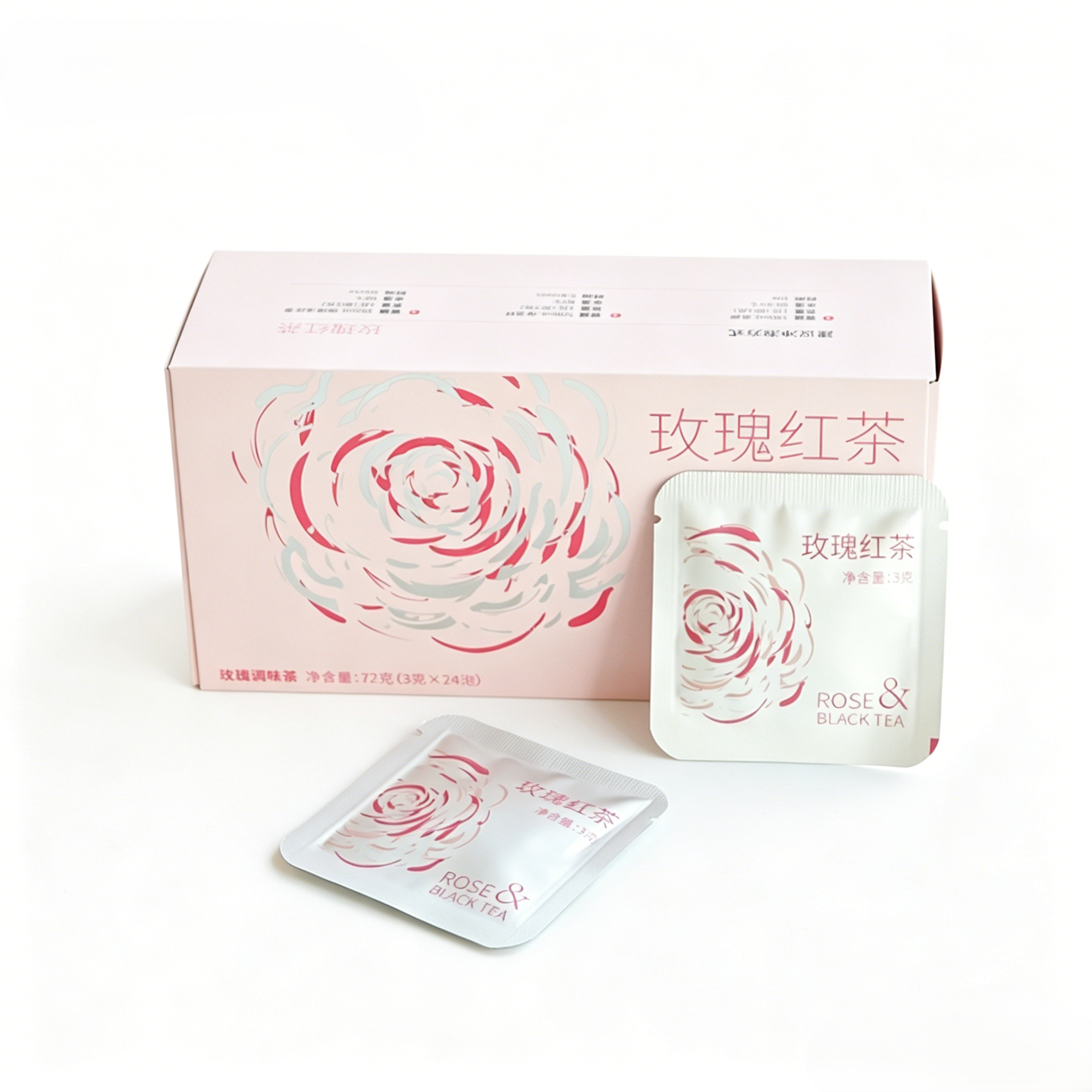
Compare rose black tea with rose white tea. Both contain rose petals and tea leaves; the black-tea base is fuller, while the white-tea version offers a gentler tasting direction.
Fresh and leaf-led
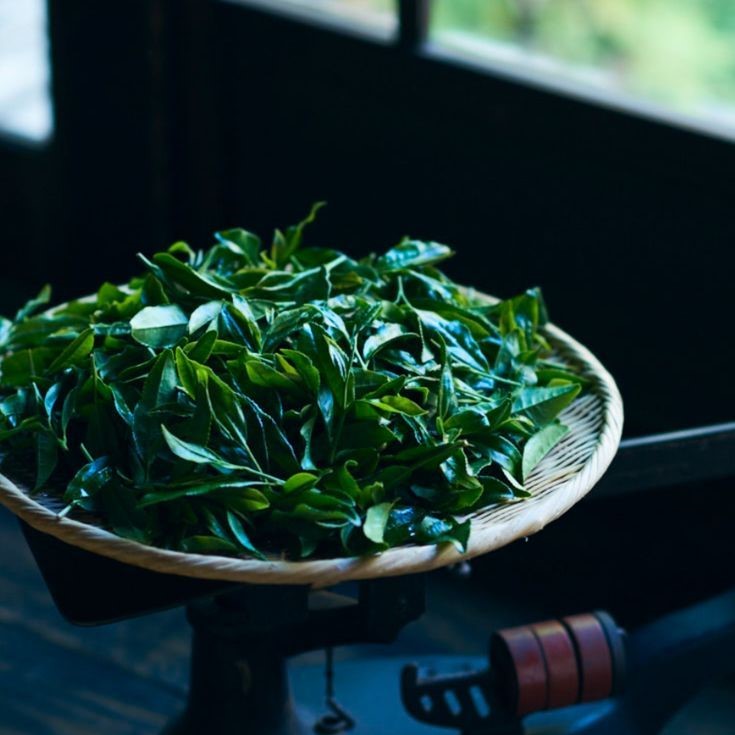
Start with Duyun Maojian green tea. Use a measured portion and a cooler first brew to explore the fresh, vegetal side of Chinese tea.
Deep, with a citrus lift
Chenpi ripe pu-erh tea bags bring Yunnan ripe pu-erh and dried Xinhui tangerine peel together in a mug-friendly format.
If you already enjoy roasted drinks, compare Wuyi rock oolong with fragrant Phoenix Dancong. Oolong is a broad family: one name does not promise the same roast or aroma in every pack.

Pick a format you will actually use
| Your routine | Formats to consider | Check before buying |
|---|---|---|
| A mug at work | Tea bags, sachets or loose leaf with a basket. | Ingredients, portion size and how to remove the leaves. |
| A small-pot tasting | Loose leaf, pearls or a measured portion from a cake. | Vessel size and the gongfu starting recipe. |
| A shared tea table | A pot, several cups and a tea everyone is curious about. | How many cups or pieces are actually included. |
| A gift | A clearly described single tea, duo or tea-and-cup set. | Pack count, net contents, brewing equipment and destination. |
A cake or brick lasts across many measured brews. A mini cake is not necessarily one portion for every vessel. Use the listed weight and brewing guidance to judge what makes sense for you.

Raw or ripe pu-erh? Fragrant or roasted oolong?
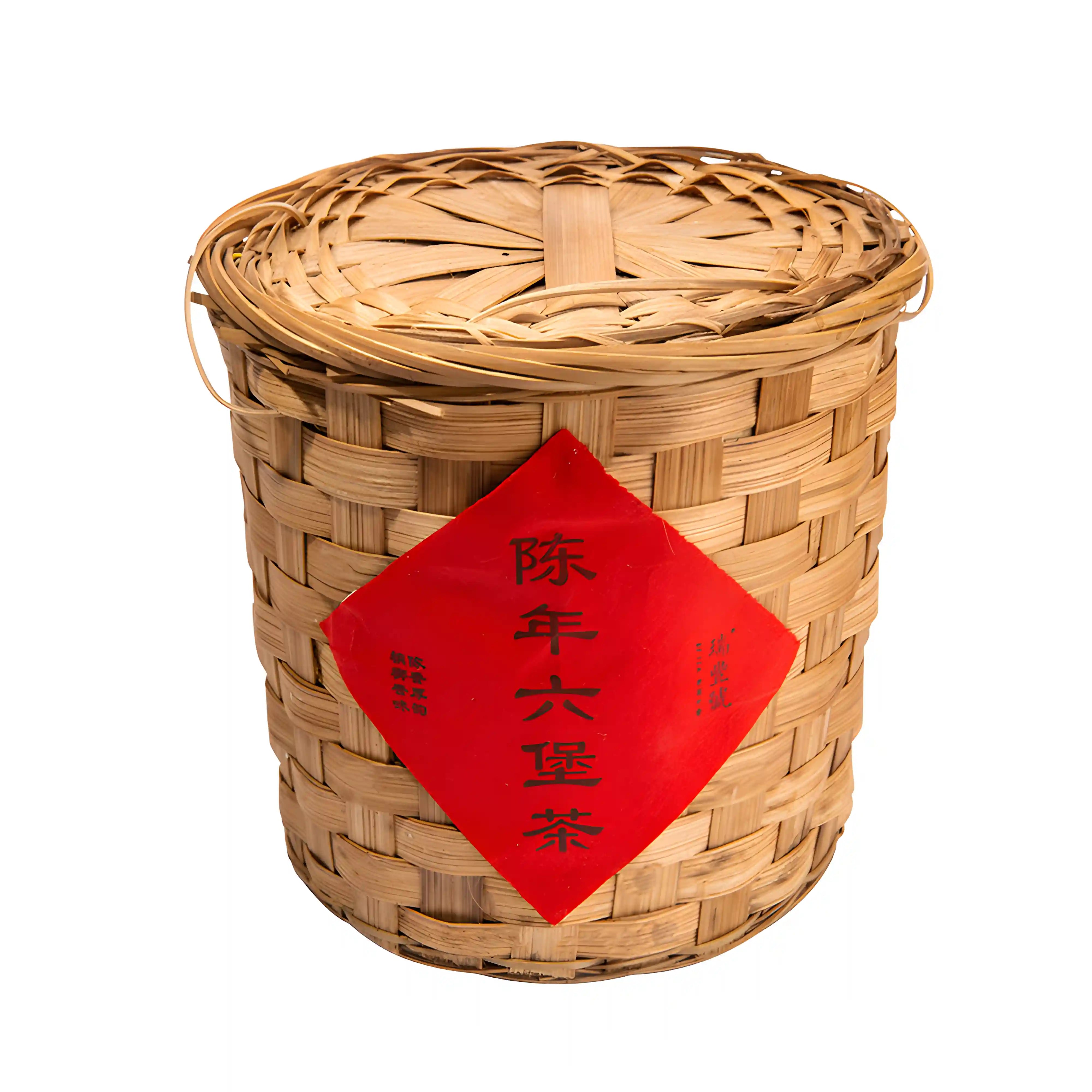
For pu-erh, first distinguish raw, also called sheng, from ripe, also called shou. Raw styles can bring a brighter, more structured cup; ripe styles lean towards deeper, earthier flavours. Age and storage make a difference, so a year printed on a listing cannot do all the choosing for you.
With oolong, compare the actual tea name. Wuyi rock teas and Phoenix Dancong come from different regional traditions and offer different routes through roast and fragrance. Pick one contrast to explore, rather than trying to buy a complete tea education in one order.
Our raw and ripe pu-erh collection and oolong selection keep those choices together. The product page should then answer the practical questions about that exact pack.

Let an element be the beginning of the story
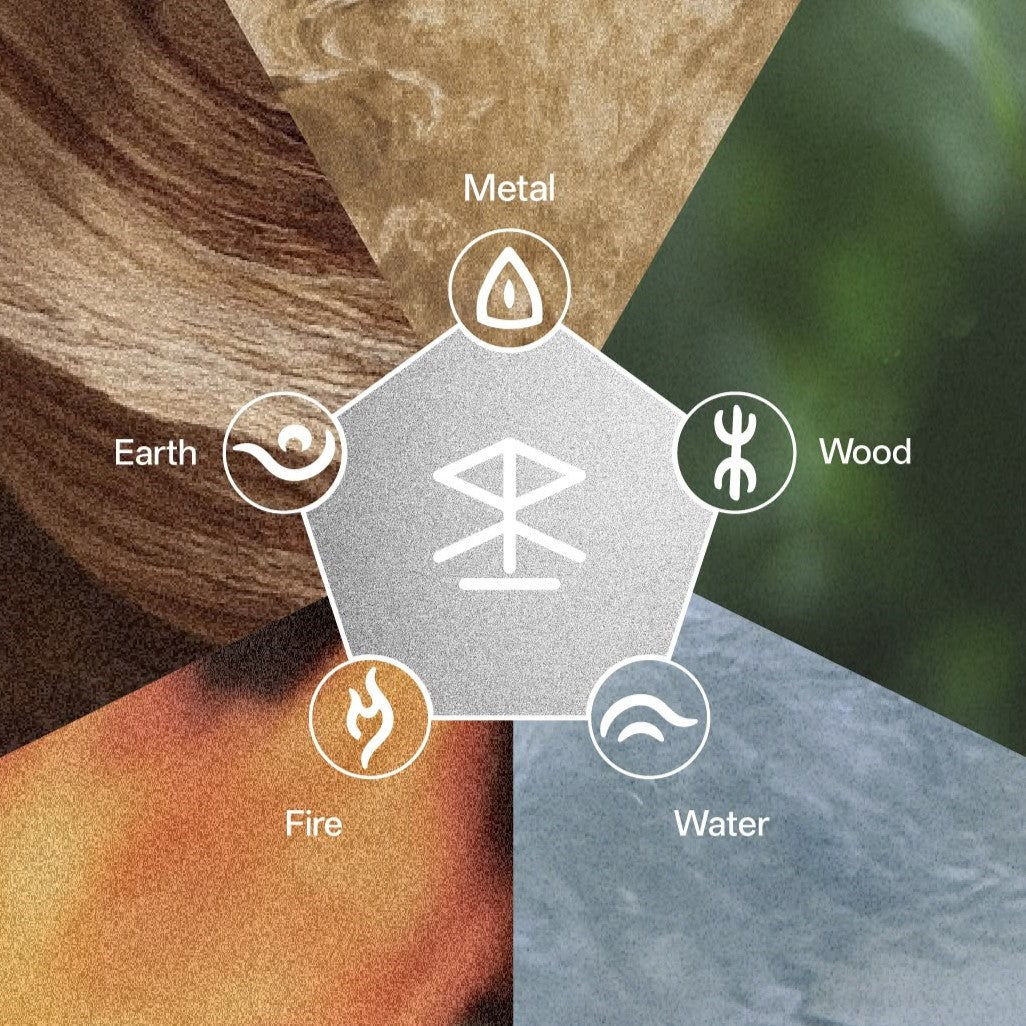
Perhaps you are drawn to the green freshness of Wood, the warmth of Fire, or the darker cups in Water. The Five Elements tea guide gives those associations a place at the tea table. They are our cultural starting points, with your preferences doing the final choosing.
Use the one-minute ritual on the homepage, then compare the suggested products by ingredients, flavour and format. You can enjoy the symbolism without sharing birth details or buying every element. A gift can carry a story and still be chosen for the recipient’s everyday taste.

A few details worth checking once
Read the net contents and included pieces, especially when comparing a single pack with a two-box set. If a quantity or specialist detail is missing, ask about that exact listing before ordering. We can help narrow a choice if you tell us a flavour you enjoy, the vessel you use and an approximate budget.
Tea leaves contain caffeine, including white tea, pu-erh and blends with flowers or citrus. Our caffeine guide explains what a label can tell you. For a gift with a deadline, read shipping information before choosing the presentation.