


Notes for your next cup
Tea in Traditional Chinese Culture
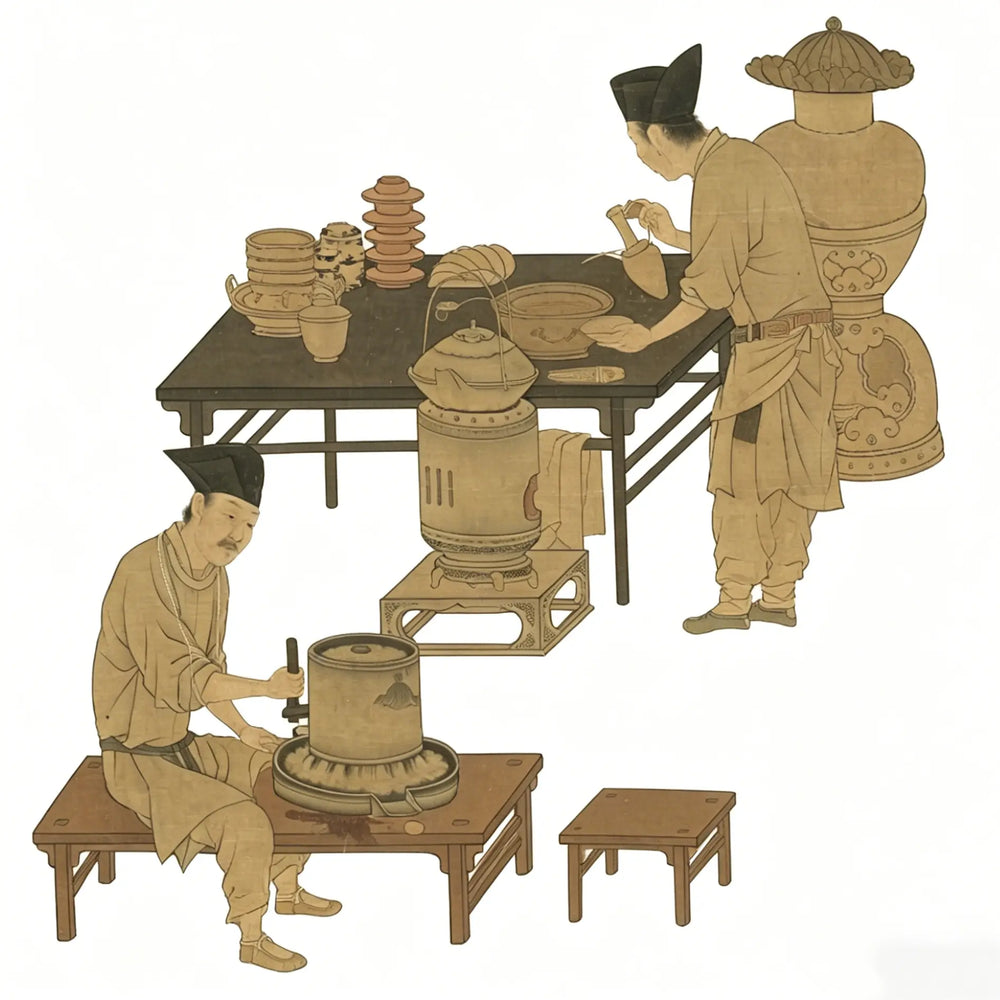
Tea appears in Chinese food, daily hospitality, philosophy and traditional health writing. Those histories give a cup context; the ingredients and preparation tell you what you are actually drinking.

A language that belongs to its context
Terms such as warming, cooling, meridians and Five Elements belong to traditional interpretive systems. They carry cultural meaning, but they should not be read as measurements of the temperature, ingredients or medical effect of a modern retail tea.
A roasted cup may feel like a fitting winter ritual because you enjoy its aroma and warmth. That personal association is different from evidence that it changes an organ or treats a condition. Keep the distinction clear while enjoying the tradition.
Tea leaf and herbal ingredients are different questions
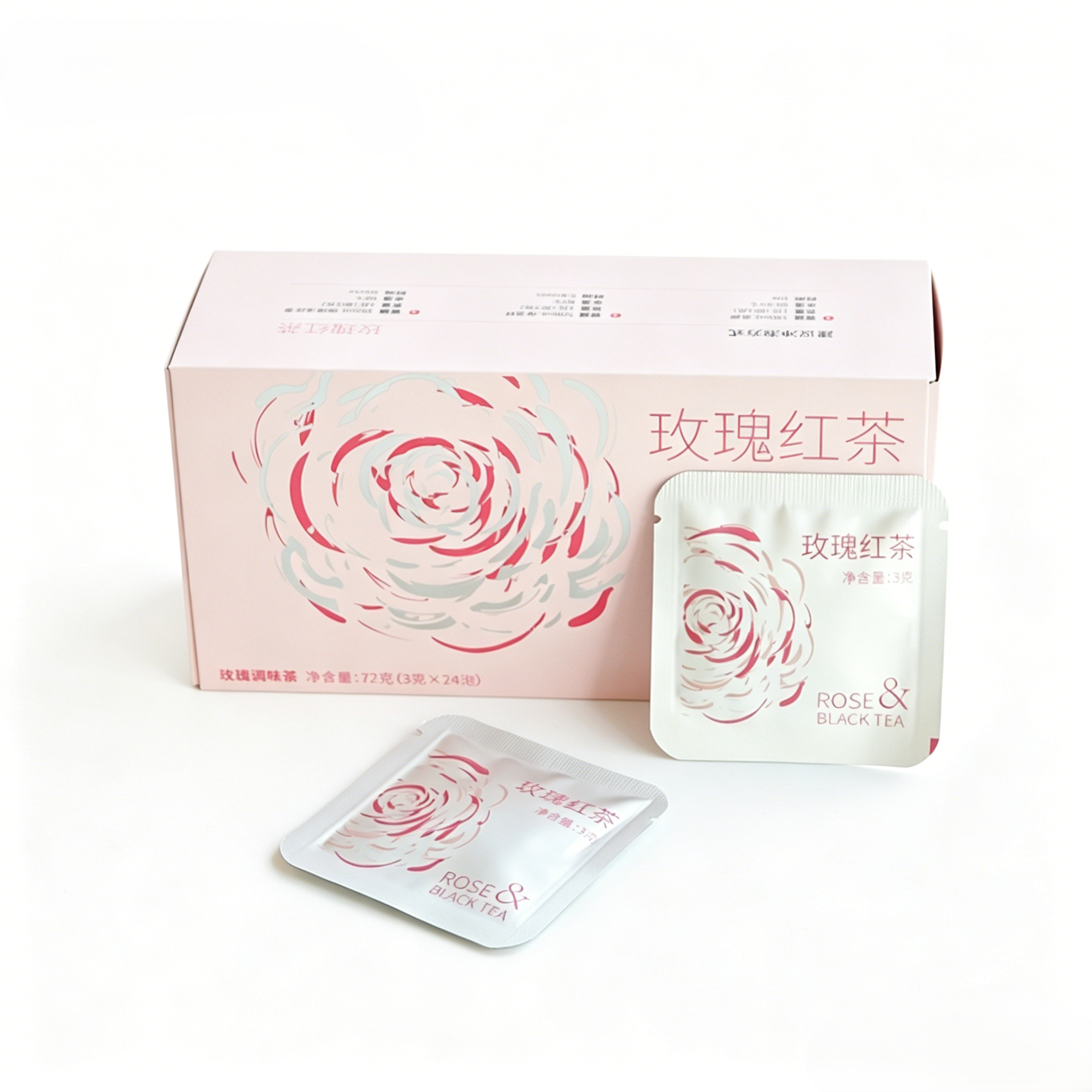
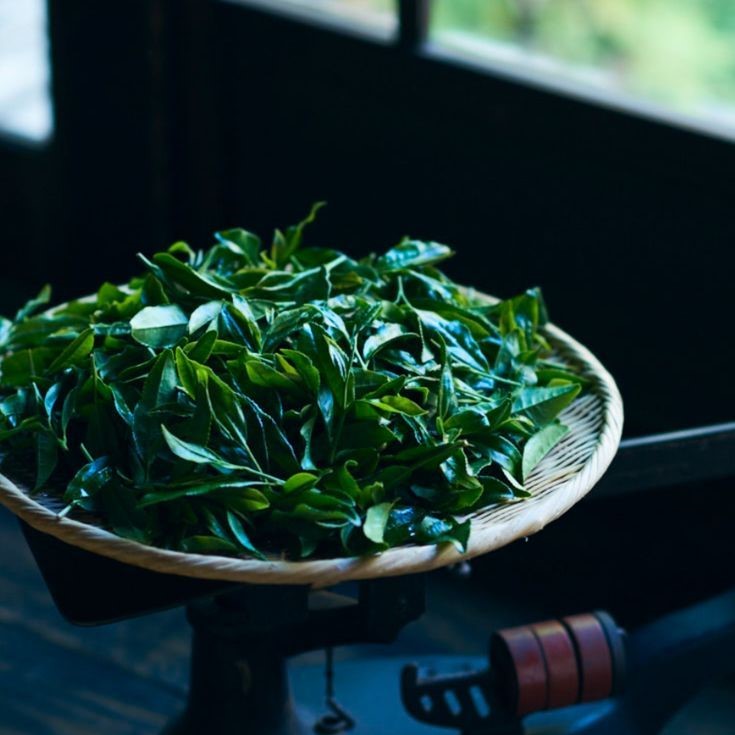
Our black, white, green, oolong, pu-erh and dark teas contain tea leaves. Some blends also contain rose petals, osmanthus or dried citrus peel. Read the ingredient list rather than assuming that a floral name describes a caffeine-free herbal infusion.
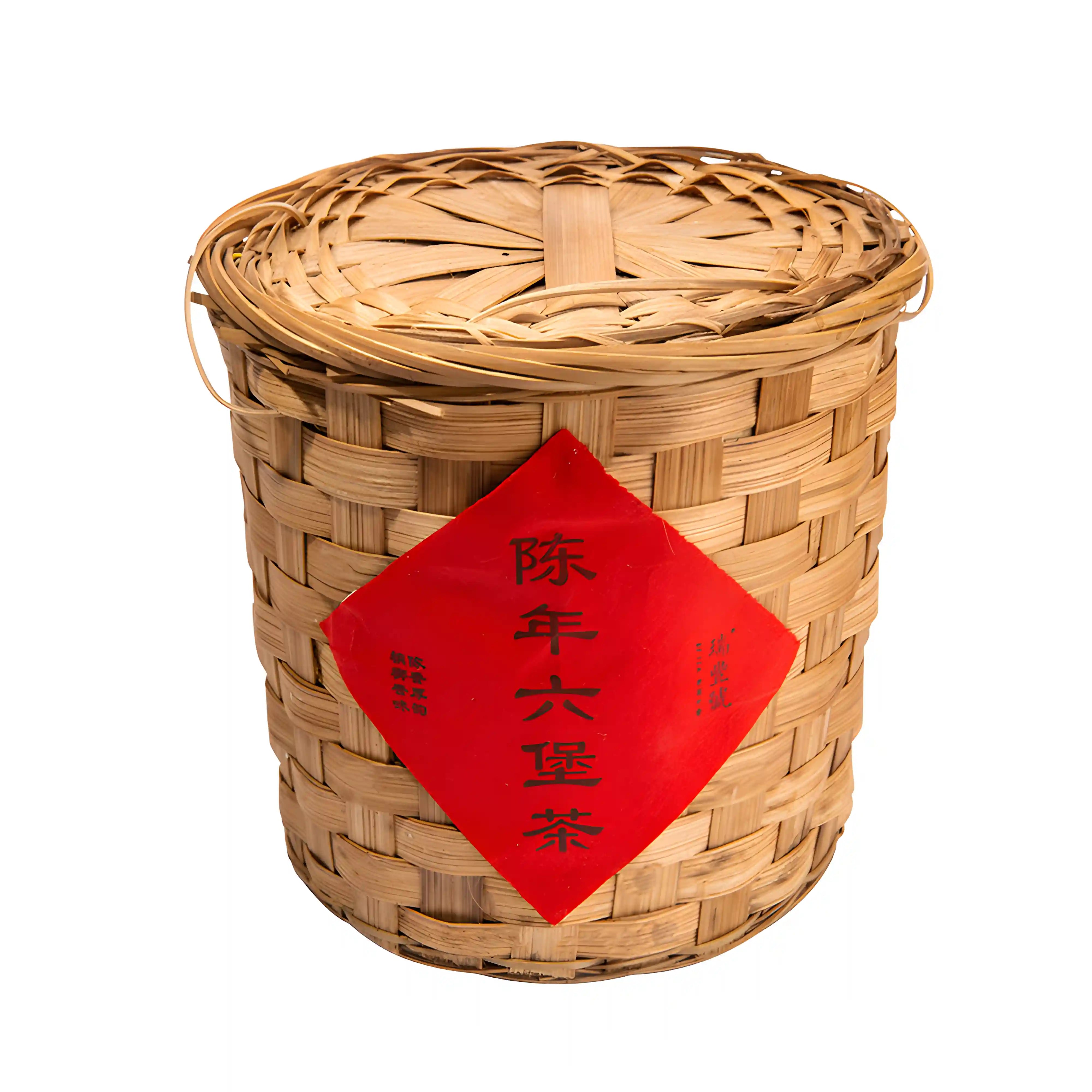
For example, rose white tea has a tea-leaf base, while chenpi pu-erh combines dried peel with ripe tea. A traditional ingredient history does not supply a tested dose or a treatment claim for either finished product.

What the product information can answer
Look for the tea style, stated origin, ingredients, format and preparation. Those details help you choose between a mug-friendly bag and a cake for short infusions, or between a floral and an earthy cup. Ask us about a missing pack or batch detail before deciding.
The caffeine guide covers a question that tea colour and symbolic associations cannot settle. For a personal medical restriction or medicine interaction, ask a qualified clinician about the actual ingredients.

Keep the culture at the table
Use Wu Xing as a way to compare flavours and seasons, seasonal tea rituals as a prompt to notice changing weather, or a tea corner as a small design project.
You can make a cup thoughtfully without assigning it a medical purpose. The tea finder returns the choice to flavour, format and the way you brew.


