





Everyday storage for most teas
- Keep dry tea in clean, tightly closed packaging or a suitable container.
- Choose a cool, dry cupboard away from direct light, steam, spices and cleaning products.
- Use dry utensils and close the pack after use.
- Keep scented blends separate from plain tea so aromas do not migrate.

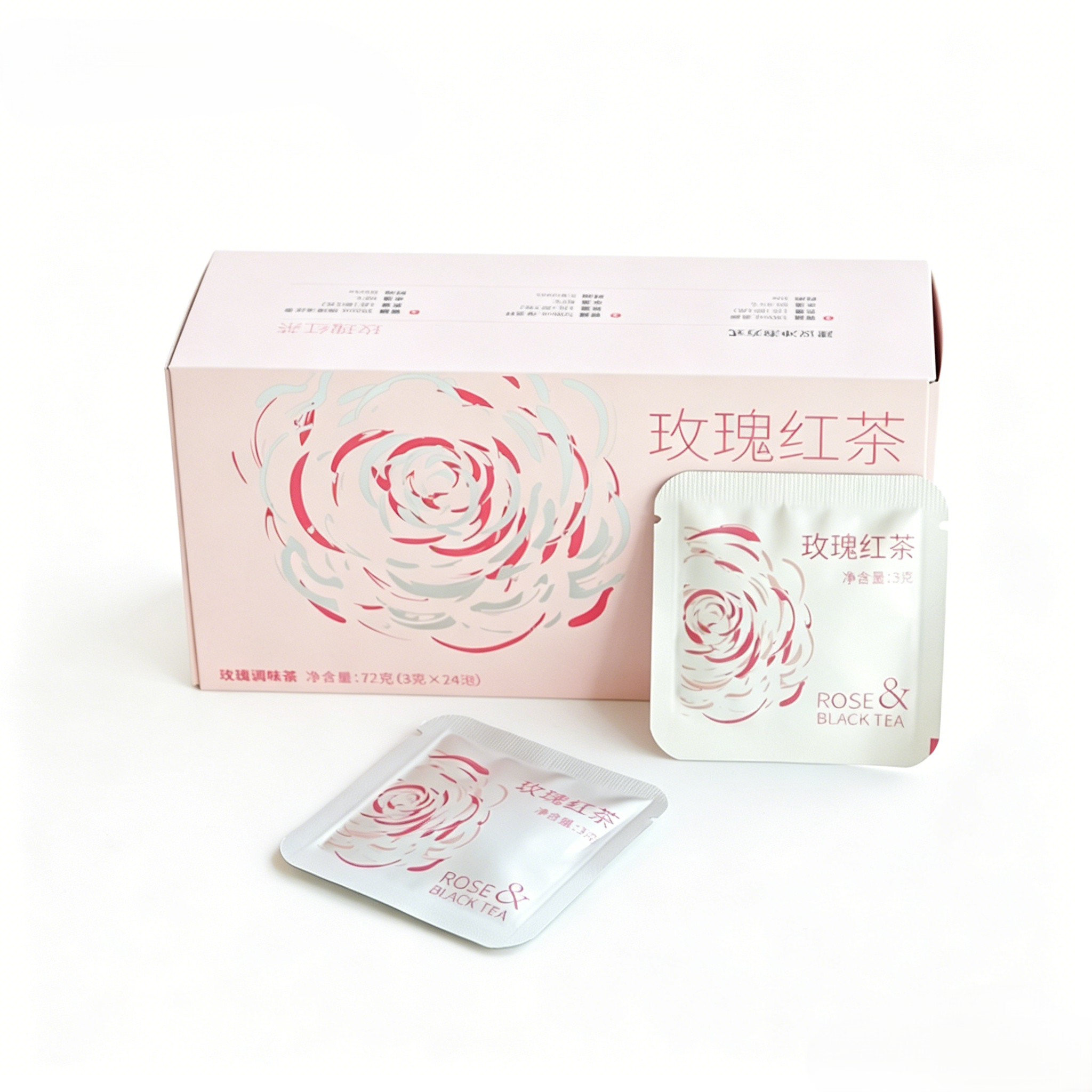
Fresh green tea and floral blends
Buy quantities you can enjoy while the flavour remains fresh. Keep the original protective packaging closed. Refrigeration is not a default requirement: condensation can damage tea when a cold pack is opened in humid air. Follow any product-specific storage instructions.

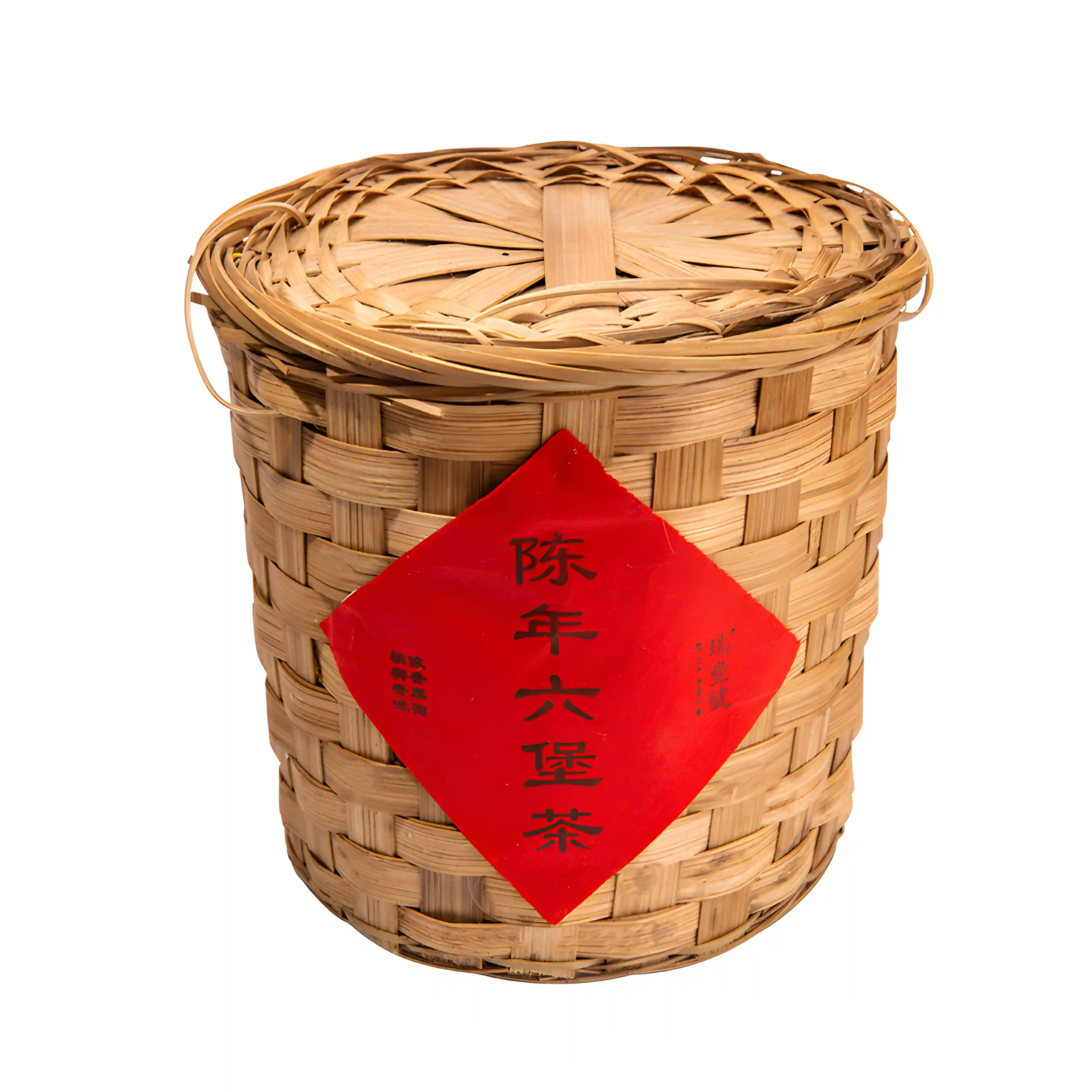
Pu-erh, white tea and other aged styles
Keep the wrapper or suitable protective packaging in a clean, dry, odour-free space. Avoid damp cupboards, direct sun and uncontrolled humidity. Do not add moisture to accelerate aging. A tea's future character depends on its material and storage; older does not automatically mean better.

Check condition before brewing
Do not drink tea that has become wet or shows unexpected mould, contamination or an unusual spoiled smell. With Fu brick tea, do not assume any visible growth is the intended fermentation feature. If unsure about a product you received, send clear photos and order details to our team before using it.

Ready to brew? Read the Chinese tea brewing guide. For an order issue, see customer support and after-sales.


