


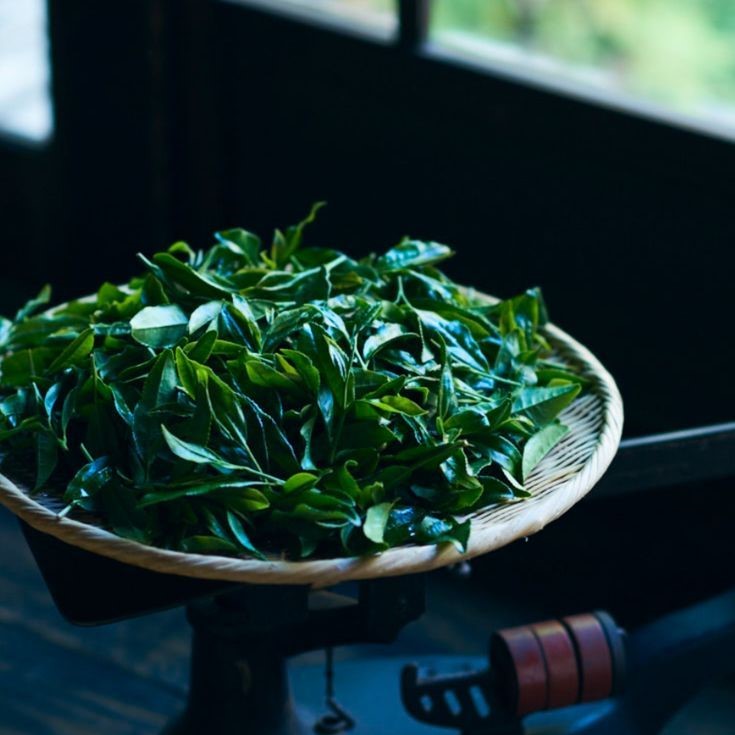
Notes for your next cup
White Tea: Flavour, Form & Brewing
White tea can be a light, floral cup or a mellow pressed leaf with more depth. Its quiet appearance leaves plenty to notice: the leaf grade, the form, and the way a second infusion differs from the first.

What makes it white tea?
White tea is generally shaped by withering and drying, with a different processing approach from the rolling, oxidation and firing associated with other tea families. The result still depends on the actual leaf material, origin and handling. “White” does not mean unprocessed, flavourless or caffeine-free.
Our selection includes teas from Fuding in Fujian, in loose or pressed formats and in blends. Compare the individual listing before deciding how delicate or aged you expect the cup to be. A familiar category name is a starting point, not a complete tasting description.
Bai Mudan, Gong Mei and Shou Mei
These names help you navigate different white-tea leaf styles. They are more useful when read alongside origin, format, production information and the actual product photographs. They do not give a universal ranking of sweetness, quality or caffeine content.
Shou Mei pearls
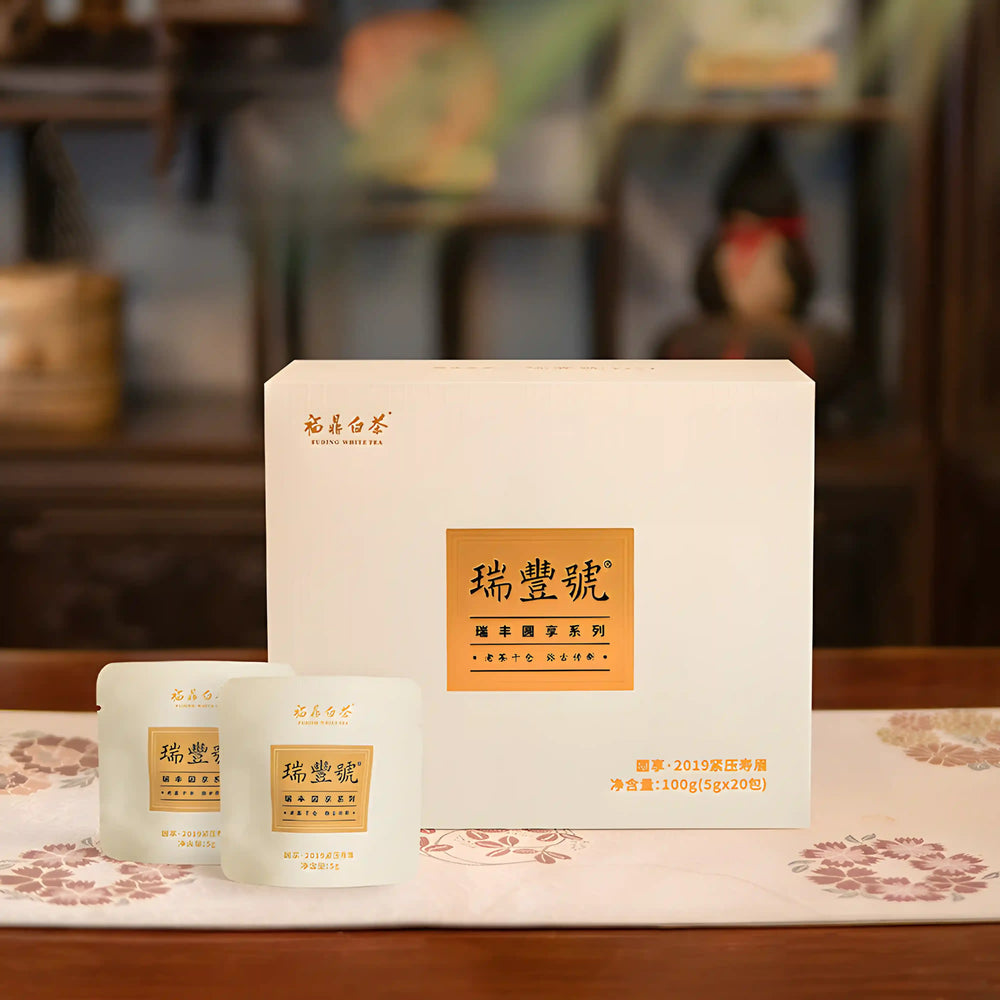
Individually wrapped 5g pearls make portioning visible. The listed pack contains 20 pearls, 100g in total.
Bai Mudan cakes
Pressed Bai Mudan offers a cake format for measuring smaller portions across repeated sessions.
White tea with citrus
Citrus white tea pearls add another ingredient and another aroma to compare. The blend still contains tea leaves.

A first brew that leaves room to adjust
For a mug, around 3g per 250ml, water in the 85–95°C range and a 2–4 minute first steep can be a useful starting point. Follow the product’s own recipe where provided. Pressed or aged material may open differently from loose leaves.
Pour the first cup plain and notice fragrance, body and the finish after swallowing. For the second, change only the time or water temperature. That comparison tells you more about your preference than adding several ingredients to the first cup.
Use the brewing guide for small-pot infusions and handling pressed pieces. White tea is often served without milk so that its lighter flavours remain easy to follow, but your own cup is yours to adjust.
Young, aged or floral: make one useful comparison
A white tea’s storage history matters as well as its date. More years do not guarantee a better tea, and a pressed shape does not prove a particular age. Keep the wrapper and store the tea in a clean, dry, odour-free place rather than trying to speed change with added moisture.
For a floral comparison, try the white-tea base in rose white tea beside a plain white tea. Read caffeine in Chinese tea if that matters to your choice, and browse the full white tea collection for the currently listed formats.


