
Notes for your next cup
Tea, Stories & Symbolism
A wrapper, a familiar cup, the first sound of water in a pot: tea collects stories around ordinary objects. Follow the symbolism, then come back to the leaf in front of you.

A name can open a conversation
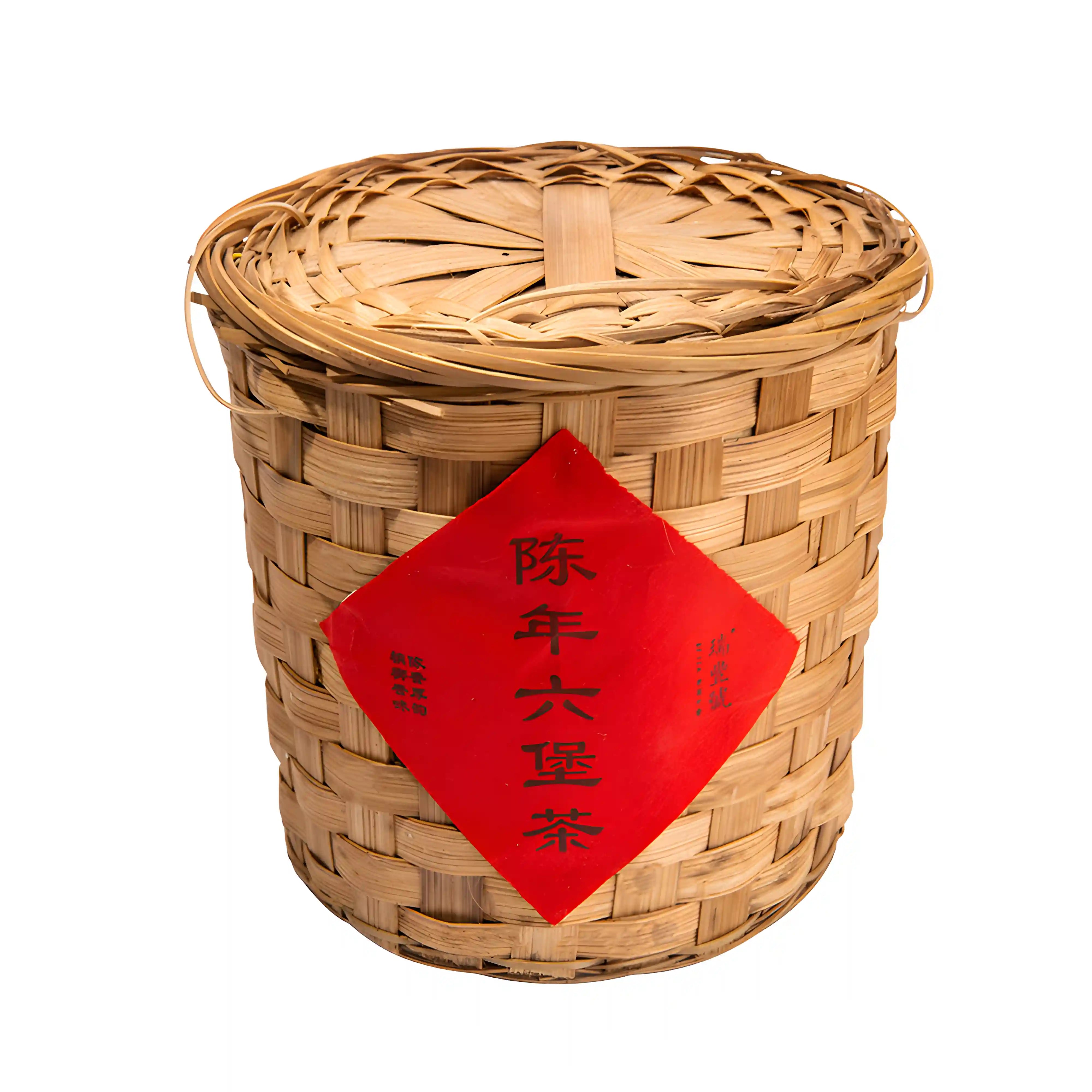
A tea name might refer to a place, a leaf style, a fragrance or a shape. Those meanings are worth exploring separately. A mountain name invites a question about origin; a fragrance name can describe an aroma without identifying an added flower.
For instance, “osmanthus-fragrance” in a Dancong name is not automatically the same as an osmanthus-scented blend. The ingredient list is the place to check. The story becomes more interesting when the practical detail remains visible.
Five Elements, many possible cups
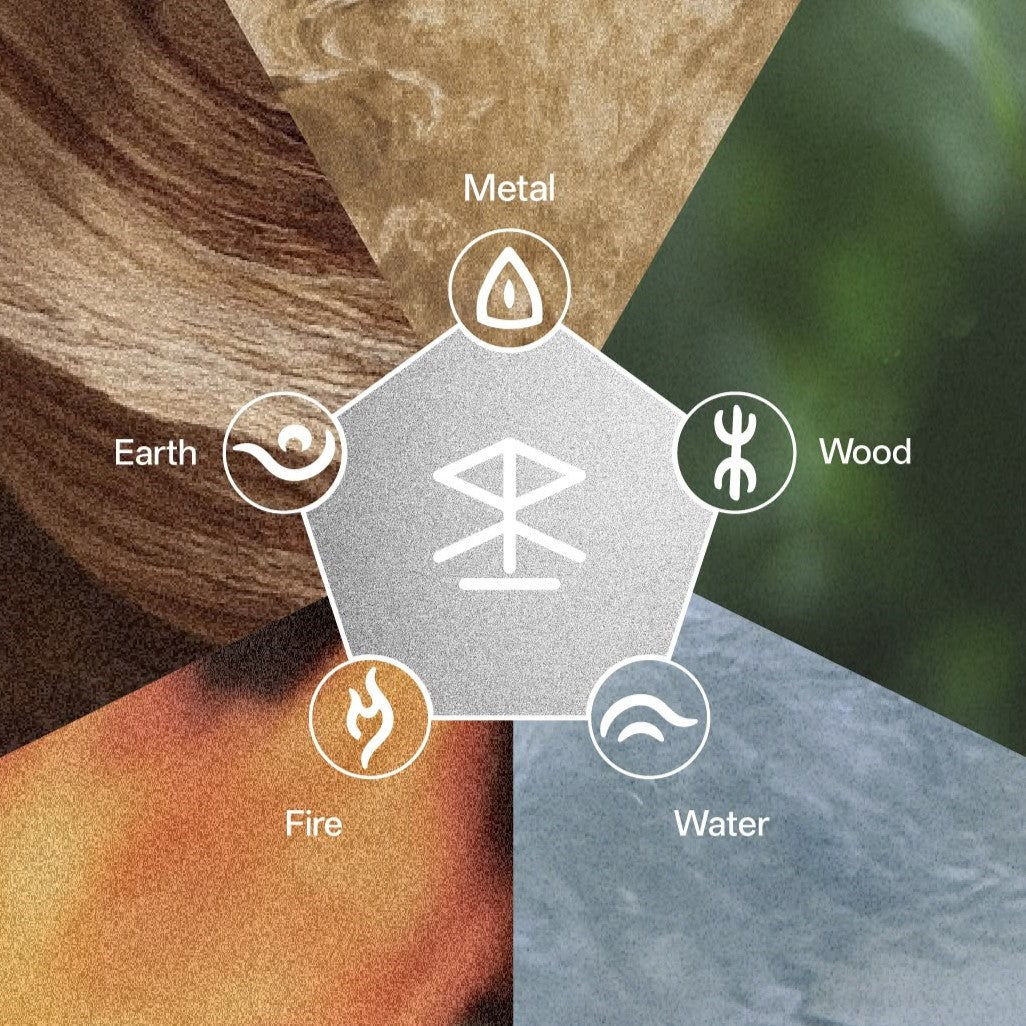
Our Wu Xing collection follows Wood, Fire, Earth, Metal and Water through tea styles and the way we set the table. It is a contemporary interpretation of a cultural language of change.
You might choose the same Water tea on a busy afternoon and a quiet weekend, then notice different things because you brewed it differently. The symbol gives you a starting point; it does not decide what you must experience.
A gift carries more than a label
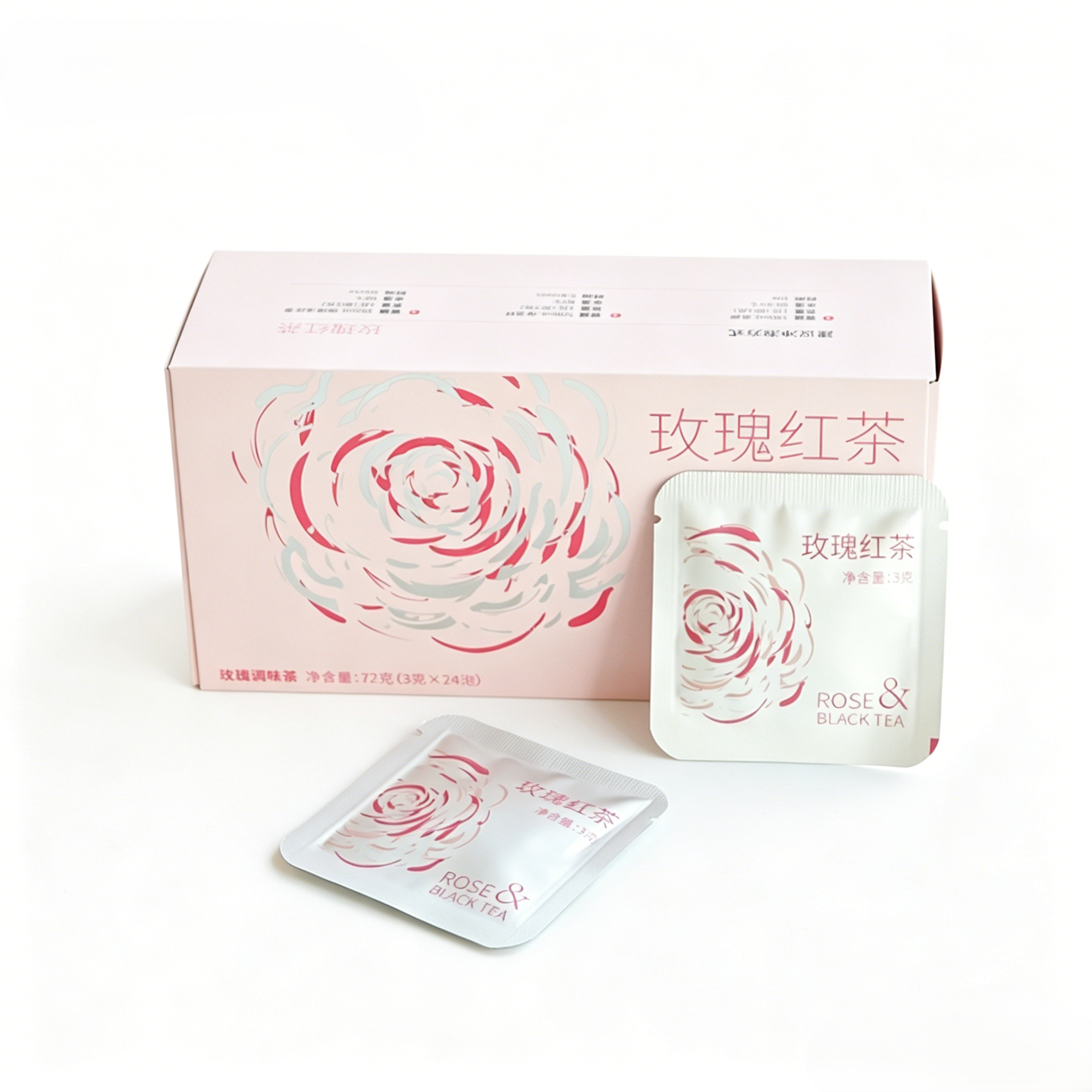
A zodiac theme can say that you considered the recipient. A short note about why you chose a floral blend or a small teapot can make that thought more personal. The useful details still matter: what is in the box, how much tea there is, and how to make the first cup.
Explore Chinese zodiac rituals or the tea gift guide. Choose the contents for the person rather than expecting a symbolic design to guarantee luck or a change in health.

Follow a story into a tasting
Pick one word from a name—rose, raw, white, Wuyi—and learn what it means on that particular listing. Brew the tea, notice one detail, then compare another preparation. That is a small story you can verify for yourself.
Read tea craft and processing for what happens before the cup, or our family tea story for the background to The Tea Pure.

