
Tea colour does not tell you the caffeine amount
Leaf material, portion size, brewing temperature, time and repeated infusions all affect the cup. White tea is not automatically low caffeine, and aging does not make pu-erh or Liubao caffeine-free. Without a tested value for the specific product and brewing method, we do not give a precise milligram claim.

Flowers and citrus do not remove tea caffeine
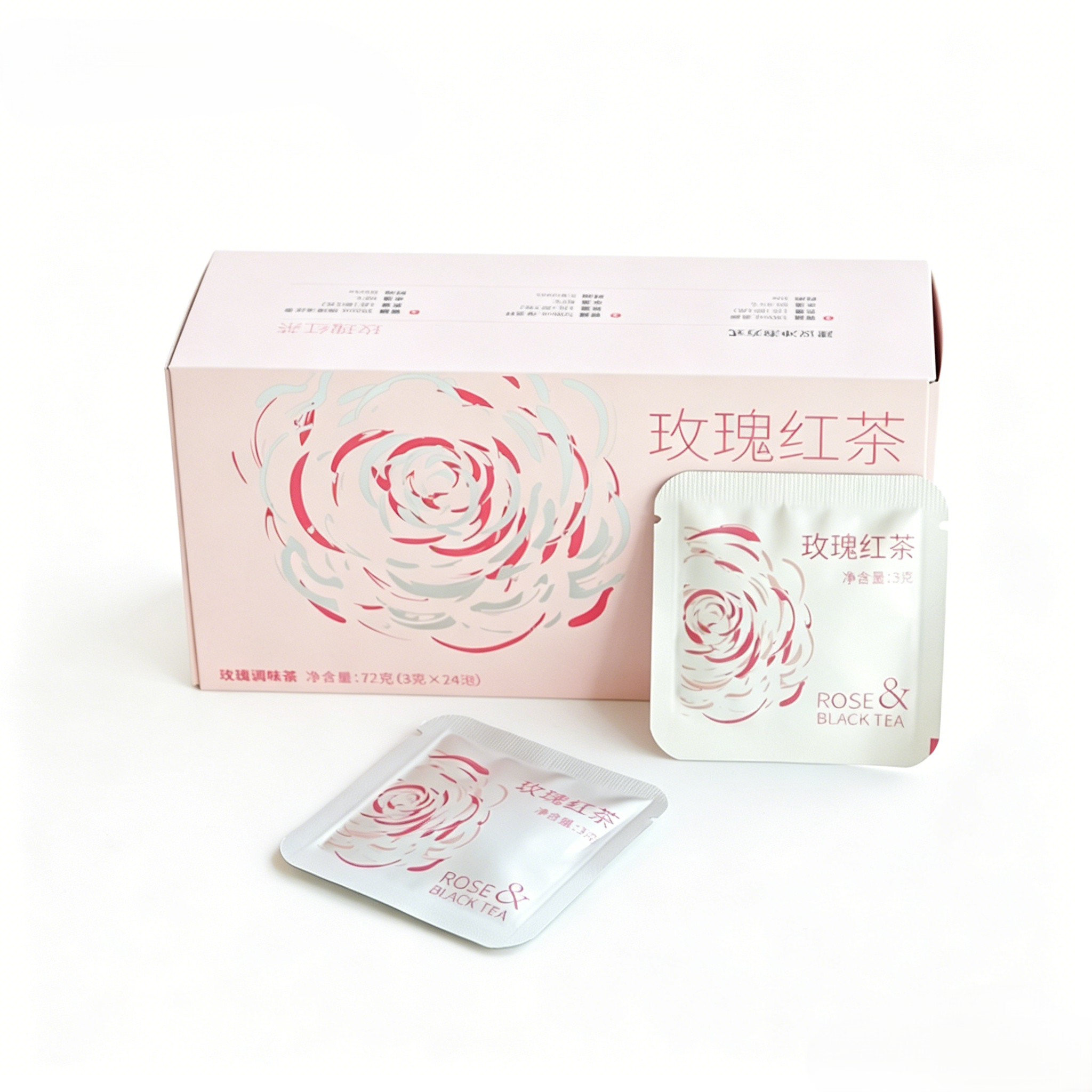
Rose tea, osmanthus tea and citrus blends still contain caffeine when their ingredients include tea leaves. A flower-only infusion is a different product. Read the ingredients on each listing rather than relying on the blend's name.

Choose with your own preferences in mind
For a lighter tasting cup, try less leaf or a shorter infusion, while recognising that this does not establish an exact caffeine amount. A quick rinse does not reliably decaffeinate tea. If avoiding caffeine is important to you, do not treat our regular teas as a caffeine-free option.

Compare flavours with our tea selection guide and use the brewing guide to adjust strength. Contact us about any ingredient information missing from a listing.


