




Ask about Rose White Tea with Fuding White Tea

Rose White Tea
A softer setting for rose petals
Fuding white tea with rose petals: floral, gently sweet and mellow. The white-tea base makes a lighter-tasting cup than Rose Black Tea. Both blends contain caffeine.
The white-tea base is the useful distinction here. Choose it if you want to explore rose fragrance with Fuding white tea rather than the fuller black-tea version. Taste the first infusion without sweetener and compare the texture as it cools; the flower name alone does not describe the whole cup.
- Ingredients
- White tea and rose petals
- Origin
- Fuding, Fujian white tea; rose petals from Xinjiang, China
- Format
- Pressed white tea with rose petals

At home
Preparing your cup
Mug or teapot: 3g per 250ml; 90°C / 194°F; start with 3 minutes.
Gongfu: 4–5g per 100–120ml; 90°C / 194°F; start with 15–20 seconds, then lengthen later infusions to taste.
Give the leaves room to open and remove or strain the tea when it reaches your preferred strength. Re-steep while the flavour remains enjoyable. These are starting points: adjust the leaf amount, water and time to your taste.
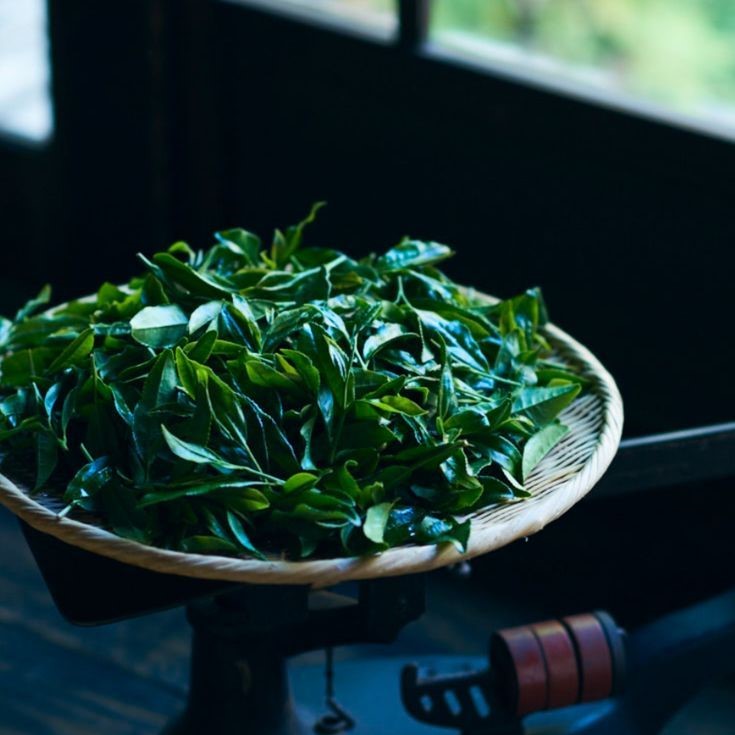
Weigh a small portion of the pressed blend. Let the white tea and petals open freely in the vessel, and compare a second infusion before deciding whether to increase the amount.
Compare mug and gongfu preparation · Look after the remaining tea.
A useful comparison
Find the distinction that matters to you.
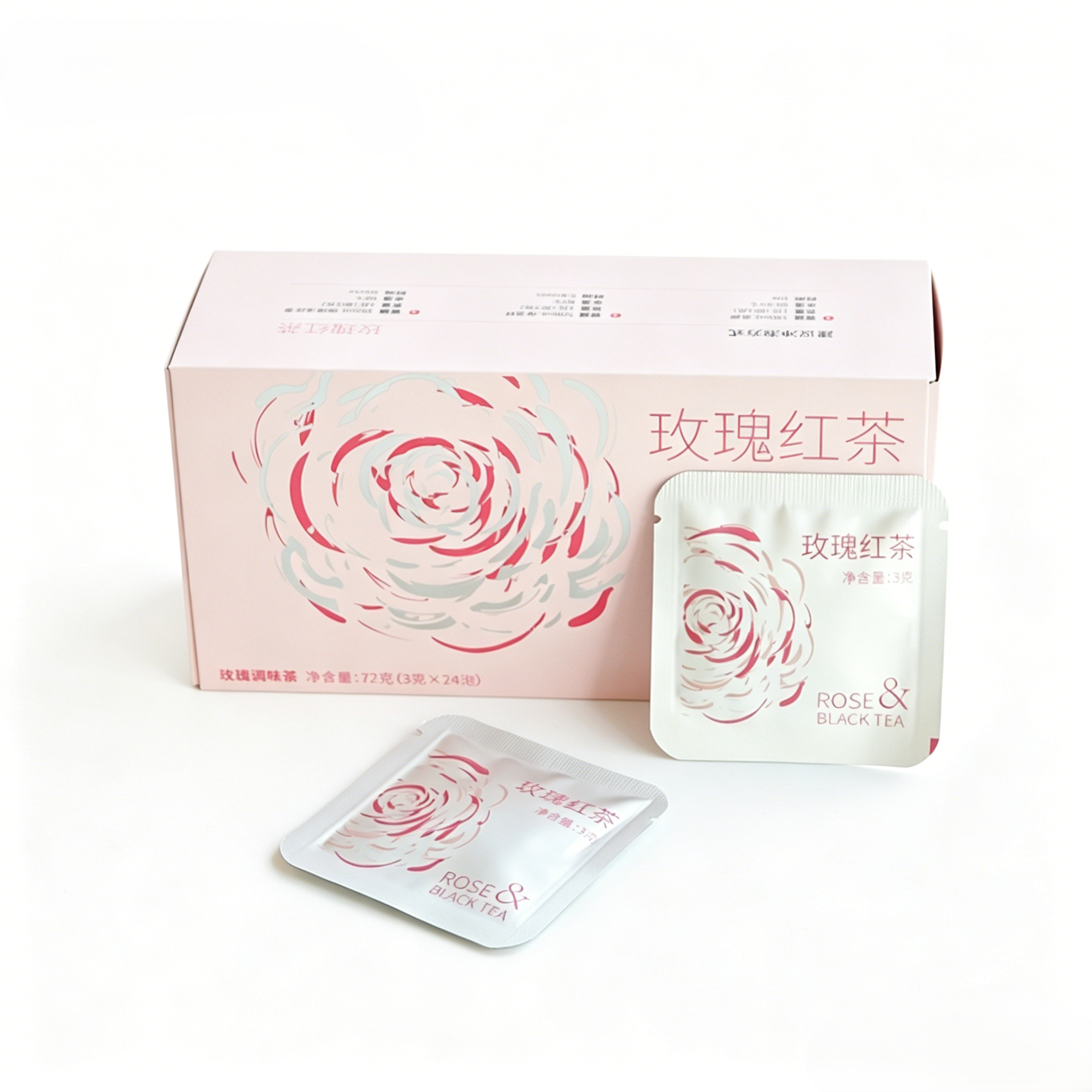
For comparison, Rose Black Tea with Yunnan Dianhong: Yunnan Dianhong black tea and rose petals, with a full, mellow body and a sweet floral finish.
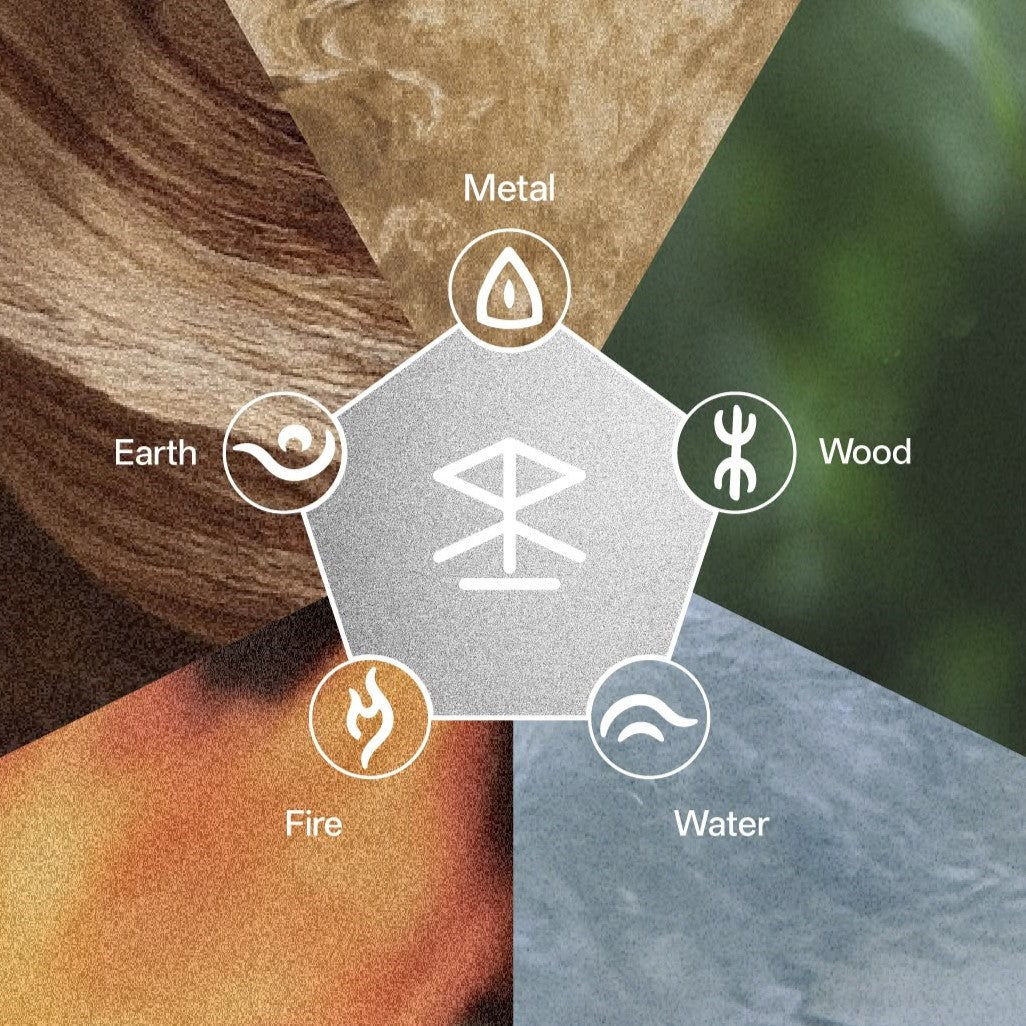
The tea finder helps with a different flavour direction. For a cultural starting point, explore the Five Elements collection alongside the tea’s actual description.
The Five Elements collection
Metal
A cultural connection to explore alongside the flavour of your tea.
Explore Metal teasHow does rose white tea differ from rose black tea?
The white-tea base gives this blend a more delicate profile. Rose Black Tea uses Yunnan Dianhong for a fuller body. Both contain caffeine.
What should I confirm about the pack?
Ask us for the current net contents or portion count if it is not shown in the listing. That detail helps you compare a single pack with a paired set before buying.
Does this tea contain caffeine?
Yes. The regular tea leaves contain caffeine, including when blended with flowers or citrus. We do not infer a tested caffeine amount from the colour, age or name of the tea. Read the caffeine guide.
Where can I check delivery and after-sales information?
Shipping and delivery explains preparation and the checkout options. For an item issue, use customer support and the published Refund Policy.