

Rose Tea Benefits: 10 Reasons to Start Drinking Rose Tea

10 Rose Tea Benefits: Your Complete Guide to Natural Wellness & Radiant Skin
Discover science-backed rose tea benefits for glowing skin, better digestion, stress relief, and more. Learn why this ancient remedy is perfect for modern wellness.
Free Standard Shipping
Selected regions
No Minimum Order
Order any quantity
Premium Quality
Authentic rose petals
Custom Orders
Tailored for your brand
In today's fast-paced world, more people are turning back to simple, natural rituals to support their health—and rose tea is quietly becoming one of them.
Unlike trendy supplements or overly complex wellness routines, rose tea offers something rare: a gentle, sensory experience that supports both body and mind. From glowing skin and better digestion to emotional balance and stress relief, the benefits of rose tea extend far beyond its delicate floral aroma.
Rooted in centuries of traditional use and increasingly supported by modern research, rose tea has earned its place as a daily wellness companion—especially for those seeking a more mindful, natural way to feel better.
In this guide, we'll explore 10 science-informed rose tea benefits and why adding rose tea to your daily ritual may be one of the simplest yet most meaningful choices for your well-being.
✨ Rose Tea Benefits at a Glance
📑 What's Inside This Guide

1. Why Rose Tea Matters: Skin, Stress, and Daily Wellness
Modern wellness often feels overwhelming. Endless supplements, conflicting health advice, and high-stimulation lifestyles leave many people feeling stressed, disconnected, and exhausted.
This is where rose tea stands apart.
Rose tea doesn't aim to "fix" the body overnight. Instead, it supports the body gently—working with natural rhythms rather than against them. Traditionally valued for its calming and harmonizing properties, rose tea addresses several modern challenges at once:
- Chronic stress and emotional tension
- Digestive discomfort linked to fast eating and anxiety
- Hormonal fluctuations, especially for women
- Inflammation and oxidative stress caused by modern diets
Beyond its physical properties, rose tea also offers something deeper: a pause. Brewing and sipping rose tea encourages you to slow down, breathe, and reconnect with your body—turning an everyday habit into a grounding ritual.
As interest in natural stress relief, skin health, and holistic self-care continues to grow in Western wellness culture, rose tea bridges ancient wisdom and modern science in a way few teas can.
💡 Did You Know? For those seeking calm and mental clarity, tea rituals designed for stress relief can further enhance the emotional benefits of rose tea.

2. The Science Behind Rose Tea: Polyphenols, L-Theanine & More
Rose tea is traditionally made from edible rose petals or buds and has been enjoyed across various cultures for centuries. However, from a modern wellness perspective, not all rose teas offer the same potential benefits.
The growing interest in rose tea benefits is largely linked to the naturally occurring bioactive compounds found in real rose petals, including:
- Polyphenols – known for their antioxidant properties, which help protect cells from oxidative stress.
- Flavonoids – plant compounds associated with anti-inflammatory activity and overall skin and vascular health.
- Natural aromatic compounds (such as geraniol and citronellol) – responsible for rose's distinctive aroma and widely studied for their calming effects on the nervous system.
Together, these compounds help explain why rose tea is often associated with skin health, digestive comfort, and emotional balance.
Rose Tea Is Not the Same as Rose-Flavored Drinks
In many Western markets, products labeled as "rose tea" may simply be teas or beverages flavored with rose essence rather than made with real rose petals.
From a health standpoint, this distinction matters:
- Real rose petals retain naturally occurring plant compounds that contribute to rose tea's wellness-supporting properties.
- Added flavors or essences, while aromatic, offer little in terms of physiological support.
When discussing rose tea benefits, it's important to recognize that these benefits are most relevant when the tea is made from authentic, food-grade, minimally processed rose flowers.
Why Combining Rose with True Tea Leaves Makes Sense
Unlike many standalone herbal infusions, traditional tea leaves naturally contain compounds such as tea polyphenols and L-theanine. When rose petals are paired with true teas like white tea or black tea, the result is a more balanced and supportive beverage.
From a scientific perspective, this combination offers several advantages:
-
A broader antioxidant profile
Tea polyphenols and rose flavonoids complement one another, supporting the body's defense against oxidative stress. -
Balanced nervous system support
- Rose aroma is linked to relaxation and emotional ease
- L-theanine in tea is associated with calm focus and mental clarity
- Together, they promote a state of relaxed alertness rather than sedation
-
Suitability for daily consumption
Compared with highly stimulating drinks, rose-infused true teas are generally gentler and more suitable for long-term, everyday use.

Perfect Pairing: Rose Black Tea
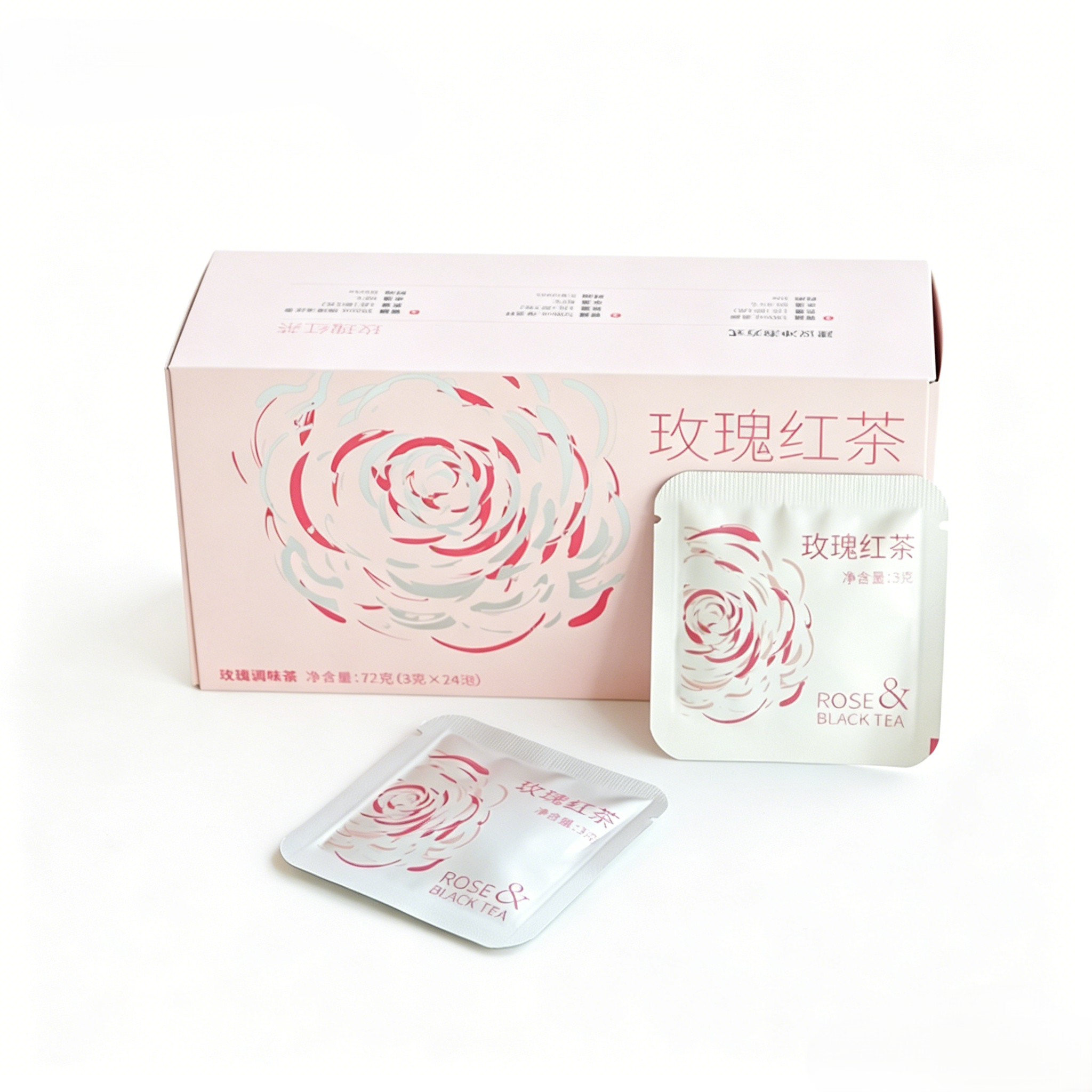
Combines Xinjiang organic roses with premium Yunnan black tea for maximum polyphenol benefits.
A Note on Growing Environment
The growing environment of roses also plays a role in quality. Roses cultivated in regions with abundant sunlight and significant day–night temperature differences—such as parts of Xinjiang in China—tend to develop a richer aromatic profile and more stable plant compounds, contributing to both flavor quality and overall consistency.
Rose Tea from a Modern Wellness Perspective
Modern nutrition increasingly emphasizes long-term habits over quick fixes. Rose tea is not a medicine or a fast-acting solution. Instead, its value lies in:
- Providing gentle antioxidant support
- Supporting balance during periods of stress
- Influencing mood and relaxation through aroma, warmth, and ritual
For these reasons, rose tea is often viewed as a sustainable daily wellness practice, rather than a product consumed solely for short-term effects.
Traditional uses of rose tea in different cultures further highlight its role in emotional and holistic well-being.

3. Rose Tea for Skin Health: Glow Naturally and Reduce Puffiness
Rose Tea Benefits for Skin Health: Gentle Support from Within
Skin health is influenced not only by topical care but also by internal factors such as oxidative stress, inflammation levels, and nervous system balance. From this perspective, the benefits of rose tea for skin are not "instantaneous," but rather reflect long-term, systemic support.
The reason rose tea is frequently discussed in relation to skin health is not only because of rose petals themselves, but also due to the well-studied bioactive compounds in tea leaves.
Tea Polyphenols: Well-Researched Skin-Protective Compounds
Tea naturally contains polyphenols, particularly catechins, which are among the most widely studied plant compounds in nutrition and skin science.
Research has shown that tea polyphenols are associated with several skin-related mechanisms:
- Helping reduce oxidative stress and counteract free radical damage caused by environmental factors such as UV exposure and pollution
- Supporting skin barrier function and elasticity
- Being explored in studies for their potential role in slowing aspects of skin aging
When rose petals are combined with true tea leaves, these scientifically validated polyphenols provide a solid foundation for rose tea's skin-supporting properties.
Anti-Inflammatory Support and Skin Stability
Low-grade chronic inflammation is often linked to skin issues such as sensitivity, redness, puffiness, and uneven tone.
Studies suggest that polyphenols and amino acids in tea are associated with anti-inflammatory and immune-modulating effects. At the same time, flavonoids in rose petals also exhibit anti-inflammatory potential. This synergistic rather than additive effect makes rose tea particularly suitable for long-term, gentle consumption.
L-Theanine, Stress, and Skin
Emerging research highlights a connection between emotional stress and skin health.
L-theanine, an amino acid found in green and white teas, has been studied for its potential to promote relaxation and support attention regulation. When stress levels are reduced, sleep quality and hormonal balance tend to improve, indirectly benefiting skin health. Thus, the combination of rose aroma and L-theanine provides a gentle and sustainable approach to supporting both emotional well-being and skin stability.
The Importance of Long-Term Consumption
Scientific studies emphasize that the effects of plant bioactives are most noticeable with regular, long-term consumption, rather than short-term high doses.
This is why rose tea is better understood as a daily wellness beverage rather than a quick-fix product. By consistently providing antioxidant and anti-inflammatory support, rose tea helps maintain internal balance over time, which can be reflected in healthier skin.
🌹 Want to Dive Deeper?
For a comprehensive look at how rose tea can support complexion and reduce puffiness, check out our full guide on Rose Tea Benefits for Glowing Skin.

Best for Skin: Rose White Tea
White tea's high antioxidant content combined with organic roses creates the ultimate skin-supporting blend.

4. Rose Tea for Digestion & Gut Comfort
Gentle Digestive Support from Rose Tea
Modern lifestyles and diverse diets can place stress on the digestive system, leading to mild discomfort such as bloating or slow digestion. Rose tea, with its natural plant compounds, may offer gentle support for daily digestive health.
Flavonoids and polyphenols in rose petals, combined with active components in tea leaves, can help:
- Promote gut comfort: supporting a healthy balance of gut microbiota
- Reduce mild inflammation: assisting with minor digestive stress caused by daily meals
- Support the digestive process: indirectly improving post-meal bloating or mild discomfort
It's important to note that rose tea is not a medication or treatment, but a gentle, daily wellness beverage.
Indirect Connection Between Stress and Digestion
Research shows that stress, anxiety, and poor sleep can affect gut function—often referred to as the "gut-brain axis."
Rose tea's natural aromatic compounds provide mild relaxation, while tea's gentle components help maintain everyday mental balance. This mind-body synergy makes rose tea a natural choice for supporting daily digestive comfort.
Daily Consumption Tips
- Brew gently: avoid overly strong infusion to preserve active compounds
- Drink regularly: long-term routine is more effective than occasional use
- Pair with meals: can be enjoyed before or after meals to support digestion
- Summer serving tip: try cold-brewing rose tea in hot weather—refreshing, easy to digest, and naturally cooling
Want to enjoy rose tea effortlessly during hot summer days while supporting digestion? Check out our Summer Cold Brew Tea Guide to learn how to naturally refresh with cold-brewed tea.
Ready to Experience These Benefits?
Start your rose tea journey today with our premium selection
✓ Free Shipping on Select Regions | ✓ No Minimum Order | ✓ Custom Blends Available

5. Rose Tea for Period & Hormonal Support
Potential Support During Menstrual Cycles
Many women experience mild to moderate discomfort during their menstrual cycles, such as abdominal cramps, mood swings, or breast tenderness. Research indicates these symptoms are closely related to inflammatory responses, hormonal fluctuations, and nervous system stress.
Rose tea contains flavonoids, polyphenols, and aromatic compounds that may provide gentle support by:
- Soothing mild abdominal discomfort: flavonoids may offer gentle anti-inflammatory potential to ease minor menstrual-related inflammation
- Supporting mood stability: aromatic compounds and tea components like L-theanine may help reduce stress levels, indirectly alleviating tension during periods
- Daily wellness support: as a regular beverage, rose tea provides gentle, non-stimulating support rather than acting as a substitute for medication
Combining Science and Traditional Wisdom
In Traditional Chinese Medicine and broader tea culture, rose tea has long been used to regulate mood and ease minor physical discomfort. Modern research also supports the idea that plant compounds can contribute to mild anti-inflammatory effects and nervous system modulation.
This combination of traditional experience and modern science makes rose tea a sustainable daily choice for women's wellness.
Drinking Tips and Considerations
- Brew gently: avoid overly strong infusions to preserve flavor and active compounds
- Drink regularly: consider consuming in the days leading up to and during the menstrual cycle to establish a routine
- Pair with other teas: mild red or white teas can be combined to enhance polyphenol and amino acid synergy
- Individual differences: effects may vary; those with more severe symptoms should follow medical advice
Our Rose Red Tea Set is designed for women's daily enjoyment, offering gentle support for menstrual comfort.
🌹 Complete Wellness Set
Experience both rose white & rose black tea benefits

Rose White Tea & Rose Black Tea Combo
Perfect for comprehensive support: white tea for skin, black tea for digestion and energy.

6. FAQ: Common Questions About Rose Tea
❓ Does rose tea really benefit the skin?
Rose tea contains flavonoids, polyphenols, and tea catechins, which provide gentle antioxidant and anti-inflammatory support, helping to maintain skin health and radiance. Effects are most noticeable with regular, long-term consumption.
❓ Can rose tea aid digestion?
Active compounds in rose petals and tea leaves may support gut comfort, promote a healthy balance of gut microbiota, and help relieve mild bloating or digestive discomfort. It should be considered a daily wellness beverage, not a substitute for medical treatment.
❓ Is rose tea suitable during menstruation?
Yes. Flavonoids and aromatic compounds in rose tea may help ease mild abdominal discomfort and mood swings, providing gentle, non-stimulating support. Regular consumption before and during menstruation is recommended.
❓ How much rose tea should I drink daily?
Generally, 1–2 cups per day is recommended, brewed gently. Long-term, regular consumption is more effective than occasional high-intensity drinking. Adjust according to personal taste and tolerance.
❓ What's the difference between cold-brewed and hot-brewed rose tea?
Cold-brewed rose tea is refreshing, easier to digest, and perfect for hot summer days. Hot-brewed tea has a richer aroma and is ideal for daily consumption. Learn more in our Summer Cold Brew Tea Guide.
❓ Can rose tea be paired with other teas?
Yes. It can be combined with mild red or white teas to enhance the synergy of polyphenols and amino acids. You can also adjust flavors according to personal preference.
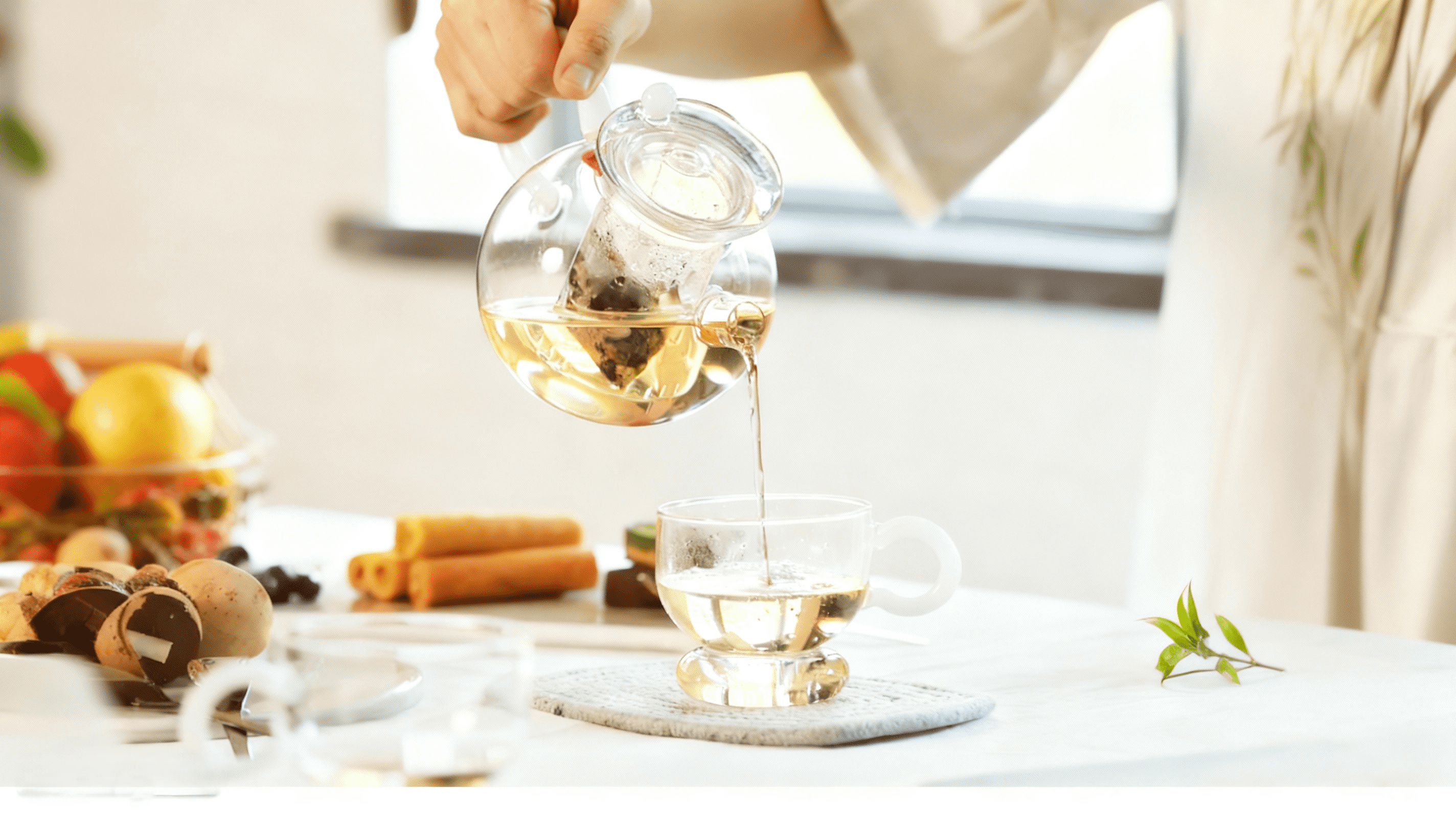
🫖 How to Brew the Perfect Cup of Rose Tea
Measure
Use 1-2 rose buds or 1 tbsp dried petals per cup
Heat Water
Bring to 175°F (80°C) — just below boiling
Steep
Let sit for 5-10 minutes until fragrant
Enjoy
Sip slowly and savor the floral notes
💡 Pro Brewing Tips:
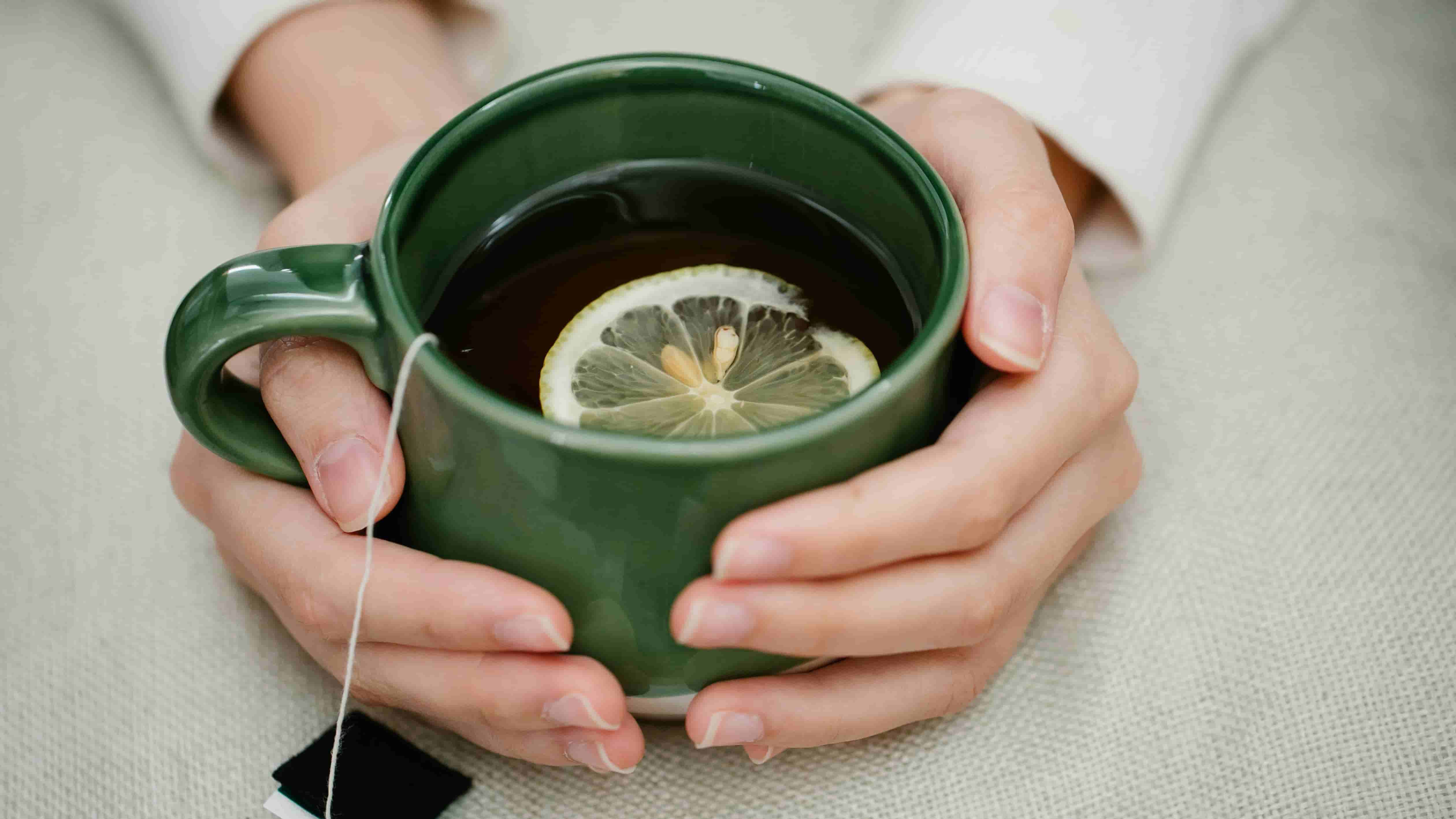
- Add honey or lemon to enhance flavor (add after steeping to preserve heat-sensitive compounds)
- Can be enjoyed hot or iced — perfect for any season
- Best consumed 1-2 cups daily for optimal benefits
- For rose blends with black/white tea, adjust steeping time based on desired strength
🌹 Shop Our Premium Rose Tea Collection
Looking for Custom Tea Blends?
We specialize in custom tea formulations for brands and businesses
✓ No Minimum Order Quantity | ✓ Private Labeling Available | ✓ Custom Packaging Options
Request Custom Quote →Get a response within 24 hours | Email: hiteamate@gmail.com
📚 Continue Your Tea Journey
🌸 Get More Tea Wellness Tips
Join our newsletter for exclusive recipes, health insights, and special offers
We respect your privacy. Unsubscribe anytime.
Ready to Start Your Rose Tea Journey?
✓ Free Standard Shipping (Select Regions) | ✓ No Minimum Order | ✓ Secure Checkout
Found this helpful? Share with friends:



![Crescent-Filter Glass Teapot – Heat-Resistant & Elegant Design [ 玻璃濾壺 ]](http://theteapure.com/cdn/shop/files/Crescent-FilterHeat-ResistantGlassTeapot_ElegantBorosilicateDesignforClearTeaBrewing.jpg?v=1749804149&width=800)