

Best Teas for Period Pain: A Science-Backed Guide 2026

5 Best Teas for Period Pain: A Science-Backed Guide (2026)
Discover how rose tea, ginger tea, and 3 other natural remedies can help ease menstrual cramps, reduce inflammation, and support hormonal balance—backed by research and traditional wisdom.
Free Shipping
Selected regions
No Minimum Order
Order any quantity
Research-Backed
Scientifically supported
Custom Blends
Tailored for you
📑 What's Inside This Guide
- Why Period Pain Happens
- How Tea Can Help with Menstrual Cramps
- Rose Tea - Best for Research-Backed Relief
- Ginger Tea - Classic Support for Inflammation
- Chamomile Tea - Best for Relaxation
- Peppermint Tea - Best for Bloating
- Raspberry Leaf Tea - Best for Long-Term Support
- When and How to Drink Tea for Period Pain
- FAQs About Tea for Menstrual Cramps

For many women, period pain is a monthly reality. Cramping in the lower abdomen, lower back pain, fatigue, bloating, and emotional shifts can quietly disrupt daily life—often more than we openly acknowledge.
Painkillers may offer quick relief, but long-term reliance on medication isn't always ideal. As a result, more women are seeking gentler, more sustainable ways to support their bodies during the menstrual cycle.
Tea, a daily ritual with centuries of traditional use, is gaining renewed attention through the lens of modern science. Research suggests that certain teas may help reduce inflammation, relax smooth muscles, and calm the nervous system—key physiological factors involved in menstrual cramps.
This article breaks down why period pain happens, how tea helps at a physiological level, and which teas work best—based on scientific research and traditional use. If you're looking for a natural, supportive approach to menstrual comfort, this science-backed guide is a thoughtful place to begin.

Why Does Period Pain Happen?
Period pain isn't something you simply have to "push through." It's the result of real physiological processes taking place in the body.
Before and during menstruation, the body releases hormone-like substances called prostaglandins. Their role is to trigger uterine contractions, helping the uterine lining shed and exit the body.
When prostaglandin levels are higher than normal, these contractions become stronger and more frequent. This can temporarily restrict blood flow to the uterus, reducing oxygen supply and leading to the cramping, aching pain many women experience in the lower abdomen and lower back.
Menstrual pain is often influenced by more than one factor. It may also involve:
- Increased inflammation, which heightens pain sensitivity
- Simultaneous contraction of digestive smooth muscles, contributing to bloating, nausea, or diarrhea
- Heightened nervous system activity, which can amplify the perception of pain
This is why period discomfort isn't limited to cramps alone—it often comes with fatigue, emotional changes, and an overall feeling of physical strain. Understanding these underlying mechanisms is the first step toward choosing more effective and gentler ways to find relief.

How Can Tea Help with Menstrual Cramps?
Tea's role in supporting menstrual comfort isn't accidental. It comes from naturally occurring plant compounds that interact with the body in gentle but meaningful ways. These compounds support the body during menstruation through three key mechanisms.
1. Anti-inflammatory Effects
Many teas contain polyphenols and flavonoids—plant compounds shown in research to help regulate inflammatory responses. Since menstrual pain is often associated with elevated inflammation, reducing this response may help ease the intensity of cramps.
2. Relief of Smooth Muscle Spasms
Both the uterus and the digestive tract are made of smooth muscle tissue. During menstruation, excessive or prolonged contractions can lead to cramping and bloating. Certain teas have natural antispasmodic properties that may help these muscles relax, easing discomfort.
3. Nervous System Relaxation
Stress and anxiety can heighten the perception of pain. Some teas gently calm the nervous system, supporting relaxation and better sleep, which can further reduce overall menstrual discomfort.
By addressing inflammation, muscle tension, and nervous system stress at the same time, tea offers a simple daily ritual that supports the body in a balanced and sustainable way. Since stress and nervous system tension can intensify how we perceive pain during our cycle, supporting relaxation and focus through natural rituals—like tea—can make a meaningful difference. If you'd like to explore this connection further, you may also enjoy our guide to natural stress relief and enhanced focus through tea rituals.
Next, we'll explore which teas stand out as the most effective options for period pain relief.

1. Rose Tea — Best for Research-Backed Relief
Rose tea stands out among teas for period pain not only for its delicate aroma, but also for its growing body of scientific support—particularly in easing both menstrual pain and emotional discomfort.
One of the most frequently cited studies comes from Taiwan and was published in the Journal of Midwifery & Women's Health. In this randomized controlled trial, 130 adolescent girls with primary dysmenorrhea were assigned to either a rose tea group or a control group. The results showed that participants who consumed rose tea experienced significant reductions in menstrual pain intensity, overall menstrual distress, and anxiety levels compared with the control group. Improvements in overall psychophysiological well-being were also observed.
Researchers suggested that rose tea's effects may be linked to its natural plant compounds, which can help modulate inflammatory responses, support circulation, and gently influence nervous system activity—all key factors involved in menstrual cramps.
Because of this dual impact on both physical pain and emotional tension, rose tea is especially well suited for women whose period pain is accompanied by stress, irritability, or mood swings. Rather than targeting pain alone, rose tea offers a more holistic form of menstrual support.
💡 Used for Centuries + Now Supported by Science: Long before modern research, rose tea was traditionally used to support women's health and emotional balance in both Ayurveda and Chinese medicine. Learn more about its historical roots in our article on rose tea's traditional use in Ayurveda and Chinese medicine.
How to Choose the Right Rose Tea for You
While rose is the key ingredient, the tea base can shape the overall experience.

Rose White Tea
Best for Early Period Days
- Naturally gentle with lower caffeine content
- Ideal for the early days of the cycle or for those sensitive to stimulation
- Offers light, balanced support without feeling overwhelming
$49.00
Shop Rose White Tea →
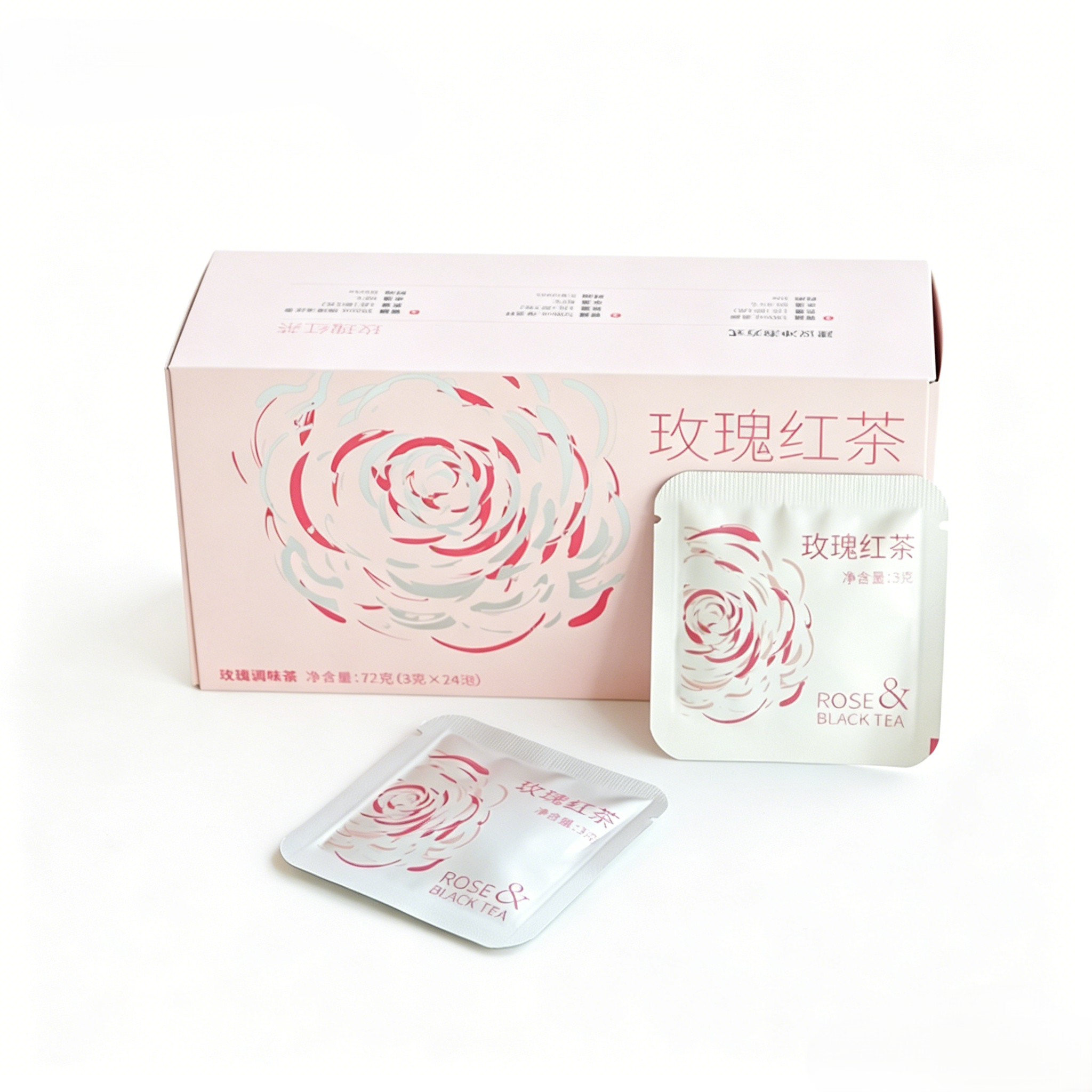
Rose Black Tea
Best for Mid-Late Period
- Fuller-bodied with a warmer, more robust character
- Well suited for the middle to later days of menstruation, especially when fatigue or feeling cold is more noticeable
- Provides a stronger sense of warmth and gentle invigoration
$49.00
Shop Rose Black Tea →
Rose Tea Combo
Complete Period Support
- Includes both Rose White Tea & Rose Black Tea
- Cover all phases of your menstrual cycle
- Save $9 when you buy the combo set
$89.00 $98.00
Get the Combo Set →🌸 How to Drink:
- Start: 5–7 days before your period
- Amount: 1–2 cups per day
- Best enjoyed: warm, not overly concentrated
In the next section, we'll explore other teas that target specific symptoms—such as inflammation, bloating, and muscle tension—to help you build a personalized tea ritual for menstrual comfort.
Beyond menstrual comfort, rose tea is also valued for its skin-supporting properties, helping reduce puffiness and promote a healthy glow. You can explore this further in our guide to rose tea benefits for glowing skin.

2. Ginger Tea — Classic Support for Inflammation
(Best for Inflammation - Reference Option)
Ginger tea is one of the most well-researched natural remedies for menstrual cramps, especially for pain primarily driven by inflammation and uterine spasms. Active compounds in ginger, such as gingerols and shogaols, have been shown to possess strong anti-inflammatory and analgesic properties, helping to reduce the overproduction of prostaglandins that trigger excessive uterine contractions and abdominal pain.
Several randomized controlled trials suggest that ginger can be as effective as some commonly used pain medications for easing menstrual cramps, but with fewer side effects, making it a safe and gentle supportive option. Ginger tea can also help alleviate common menstrual discomforts such as nausea, bloating, and digestive upset, particularly during periods when the body feels cold or tense.
It's important to note that ginger tea primarily targets pain and inflammation and offers limited support for mood swings or fatigue. Therefore, it is best considered a reference or supplemental option, while many women prefer to combine it with herbal or floral teas—such as rose tea—for a more comprehensive physical and emotional support during menstruation.
🫚 How to Drink:
- Start: 1–2 days before menstruation or at the onset of cramps
- Amount: 1–2 cups per day
- Best served: warm; avoid drinking large amounts on an empty stomach
- Ideal for: women experiencing strong menstrual cramps, abdominal coldness, or inflammation-related discomfort

3. Chamomile Tea — Best for Relaxation
Chamomile tea is widely recommended for menstrual care due to its gentle and soothing properties, making it especially suitable for women who experience stress, anxiety, or disrupted sleep during their period. Chamomile contains natural flavonoids that have been shown to possess mild anti-inflammatory, antispasmodic, and calming effects, helping to relax tense muscles and the nervous system, which can ease menstrual discomfort.
Unlike teas that primarily target pain or inflammation, chamomile tea focuses on overall physical and emotional relaxation. Drinking it during the days leading up to or at the start of menstruation can help stabilize mood, reduce anxiety, and improve sleep quality, allowing women to navigate their daily routines more comfortably during their period.
🌼 How to Drink:
- Start: Pre-menstruation or at the beginning of the period
- Amount: 1–3 cups per day
- Can be combined with: other herbal or low-caffeine teas, such as rose tea
- Ideal for: women who experience stress, anxiety, or sleep disturbances during their period
Chamomile tea is gentle and easy to incorporate into daily routines, making it a relaxation-focused choice. It pairs particularly well with rose tea for a dual approach supporting both body and mind during menstruation.

4. Peppermint Tea — Best for Bloating
Peppermint tea is widely used during menstruation for its cooling and digestive-supporting properties, making it especially effective for relieving bloating, stomach discomfort, and digestive issues. Active compounds in peppermint, such as menthol and essential oils, can help relax smooth muscles in the digestive tract and reduce gastrointestinal spasms, easing common abdominal bloating during periods.
Unlike teas that primarily target pain or mood, peppermint tea focuses on digestive comfort and a refreshing sensation. Drinking it during menstruation can not only relieve bloating but also provide a gentle, cooling boost that helps the body feel lighter and more comfortable.
🌿 How to Drink:
- Start: Pre-menstruation or when bloating occurs
- Amount: 1–2 cups per day
- Can be paired with: low-caffeine or floral teas, such as rose tea
- Ideal for: women experiencing noticeable bloating, digestive discomfort, or seeking a refreshing effect during their period
Peppermint tea is gentle and easy to incorporate into a daily routine, making it the top choice for digestive support during menstruation. It pairs particularly well with relaxation-focused or research-backed teas, such as rose tea or chamomile tea, to provide comprehensive menstrual support.

5. Raspberry Leaf Tea — Best for Long-Term Support
Raspberry leaf tea has long been valued by women for its rich nutrients and its supportive effects on the uterus, making it ideal for long-term menstrual care and overall physiological health. Raspberry leaves contain flavonoids, polyphenols, and minerals like iron, which are believed to help enhance uterine muscle efficiency, improve blood circulation, and support overall comfort during menstruation.
Unlike teas that primarily target pain, inflammation, or mood, raspberry leaf tea emphasizes long-term wellness and daily maintenance, making it perfect for women who want to naturally support regular menstrual cycles and overall reproductive health. Its gentle nature also makes it easy to incorporate into a daily tea routine.
🍃 How to Drink:
- Start: Long-term daily consumption, especially beginning a week before menstruation
- Amount: 1–2 cups per day
- Can be combined with: other relaxation-focused or research-backed teas, such as rose tea or chamomile tea
- Ideal for: women looking to support long-term menstrual health, enhance uterine function, or improve overall comfort
Raspberry leaf tea is considered the go-to choice for long-term menstrual support, and when paired with teas targeting pain, relaxation, or bloating, it helps create a comprehensive approach to menstrual wellness.
Need a Custom Tea Blend for Your Wellness Brand?
We specialize in creating personalized menstrual wellness tea formulations for health brands, wellness coaches, and retailers.
✓ No Minimum Order Quantity | ✓ Private Labeling Available | ✓ Custom Herbal Blends
Request Custom Quote →Get a response within 24 hours | Email: hiteamate@gmail.com

When and How to Drink Tea for Period Pain
To maximize the benefits of tea during menstruation, it's important not only to choose the right type of tea but also to drink it at the right time and in the right way. Proper tea consumption can relieve pain, calm emotions, improve digestion, and support the body without adding extra strain.
1. Best Time to Start Drinking
- One week before menstruation: Especially helpful for those who experience strong menstrual cramps, this helps prepare the body and reduce pre-period abdominal discomfort and mood swings.
- At the start of menstruation: Drinking tea at the onset of your period can quickly ease cramps, bloating, and mild anxiety.
2. Daily Amount
- Recommended daily intake: 1–3 cups, adjustable based on personal constitution and symptoms.
- Avoid drinking large quantities at once to prevent stomach irritation or excess stimulation.
3. How to Drink
- Warm, not cold: Warm tea promotes blood circulation and helps relieve uterine spasms more effectively than iced tea.
-
Combination options: Mix or alternate teas for multiple benefits:
- Rose tea + Chamomile tea → dual support for body and mind
- Rose tea + Peppermint tea → relieve bloating and digestive discomfort
- Avoid overly strong brews: Especially for caffeinated teas like rose black tea, use a moderate amount of leaves to prevent overstimulation.
4. Personalized Tea Selection
Depending on individual symptoms, teas can be flexibly chosen and combined:
🌹 For Pain-Focused Symptoms
→ Rose tea (research-backed) or ginger tea
- Rose White Tea: gentle and low in caffeine, ideal for early period days or for those sensitive to stimulants
- Rose Black Tea: rich and warming, suitable for mid-to-late period or when fatigue is noticeable
🌼 For Relaxation-Focused Symptoms
→ Chamomile tea or rose tea
- Rose tea provides gentle emotional support and calming effects
- Chamomile tea primarily helps ease anxiety, tension, and sleep disturbances
🌿 For Bloating-Focused Symptoms
→ Peppermint tea
- Relaxes digestive tract smooth muscles, reducing bloating and discomfort
🍃 For Long-Term Menstrual Wellness
→ Raspberry leaf tea or rose tea
- Rose tea, when consumed regularly, offers gentle hormonal support and overall body comfort
- Raspberry leaf tea primarily supports uterine muscle health and overall menstrual cycle regulation
By combining teas in this personalized way, readers can tailor their choices to their specific symptoms, achieving pain relief, emotional calm, digestive comfort, and long-term menstrual support—while naturally enjoying the multiple benefits of rose tea.

FAQs About Tea for Menstrual Cramps
To help readers quickly find answers and optimize for Featured Snippets, here are the most common questions and answers about drinking tea during menstruation.
❓ How many cups of tea should I drink during my period?
It is recommended to drink 1–3 cups per day, adjustable based on individual symptoms. Drinking too much may cause stomach discomfort or affect sleep, especially for caffeinated teas like rose black tea.
❓ Can I drink Rose White Tea and Rose Black Tea during my period?
Yes.
- Rose White Tea: gentle and low in caffeine, ideal for the early days of menstruation or for those sensitive to caffeine.
- Rose Black Tea: rich in flavor and warming, suitable for mid-to-late period or when fatigue is noticeable.
❓ Which teas are best for relieving bloating during menstruation?
Peppermint tea is the top choice, as its active compounds relax digestive tract smooth muscles and reduce bloating. Rose tea can also be paired in moderation to provide a gentle, comforting effect.
❓ Can tea replace painkillers?
Tea mainly helps relieve menstrual discomfort through anti-inflammatory, muscle-relaxing, and mood-soothing effects. It is suitable for mild to moderate cramps or as a supportive measure. Severe pain should still be managed under medical guidance, and painkillers may be necessary.
❓ What should I be mindful of when drinking tea during my period?
- Drink warm tea and avoid overly strong or excessive amounts
- Choose tea types according to your specific symptoms
- Combine teas with different effects to address pain, emotional comfort, bloating, and long-term support comprehensively

Your Journey to Natural Period Relief Starts Here
After reading this guide, you now understand why period pain occurs, how tea can help relieve discomfort, and the five best teas for menstruation: rose tea, ginger tea, chamomile tea, peppermint tea, and raspberry leaf tea.
Whether your goal is pain relief, emotional comfort, reduced bloating, or long-term menstrual wellness, tea provides a gentle, safe, and easy-to-incorporate natural solution. Our Rose White Tea and Rose Black Tea, in particular, offer delightful flavors along with research-backed benefits for menstrual comfort, making them ideal choices for your period tea routine.
Experience relief and comfort during your period today:
💬 We'd love to hear from you! Share your period tea experiences in the comments below and tell us which tea works best for you—helping more women discover their perfect menstrual tea routine.
📚 Continue Your Tea Wellness Journey
🌸 Get More Tea Wellness Tips
Join our newsletter for exclusive recipes, health insights, and special offers on period wellness teas
We respect your privacy. Unsubscribe anytime.
Ready to Experience Natural Period Relief?
Start your rose tea journey today with our premium, research-backed collection
✓ Free Shipping on Select Regions | ✓ No Minimum Order | ✓ Custom Blends Available
Found this helpful? Share with friends:



![Crescent-Filter Glass Teapot – Heat-Resistant & Elegant Design [ 玻璃濾壺 ]](http://theteapure.com/cdn/shop/files/Crescent-FilterHeat-ResistantGlassTeapot_ElegantBorosilicateDesignforClearTeaBrewing.jpg?v=1749804149&width=800)