




Ask about Bulang Mountain Raw Pu-erh Tea Cake

Raw Pu-erh Tea
A firmer raw pu-erh direction
A firm, structured raw Pu-erh blend from Bulang Mountain, Nanuo and Banpen. An initial bitter edge develops into a sweet finish, with a mineral character through the cup.
Bulang Mountain, Nanuo and Banpen are the listed origins in this stone-pressed blend. Its firm, structured direction makes a useful contrast with the smoother, honeyed profile described for our Yiwu cake. Choose the comparison for flavour rather than assuming that one mountain name supplies a universal quality ranking.
- Ingredients
- Raw pu-erh tea leaves
- Origin
- Bulang Mountain, Nanuo and Banpen, Yunnan, China
- Format
- Stone-pressed tea cake

At home
Preparing your cup
Mug or teapot: start with 3 g per 250 ml, 90–95°C / 194–203°F, 2–3 minutes. Gongfu: start with 4–6 g per 100–120 ml, 90–100°C / 194–212°F, 5–15 seconds for the first infusion. Pour out fully and lengthen later steeps gradually.
Keep dry tea in a cool, dry, odour-free place, protected from sunlight, heat and moisture. Close the pack after use and keep aromatic blends separate from strong-smelling foods.
Use short early infusions to find a strength you enjoy. A carefully loosened portion is easier to brew evenly than one large tightly packed lump taken from the middle of the cake.
Compare mug and gongfu preparation · Look after the remaining tea.
A useful comparison
Find the distinction that matters to you.
For comparison, Yiwu Mountain Raw Pu-erh Tea Cake · 200g: A 200g Yiwu raw Pu-erh cake with a smooth body and honeyed, floral sweetness. A softer tasting direction within our raw Pu-erh range.
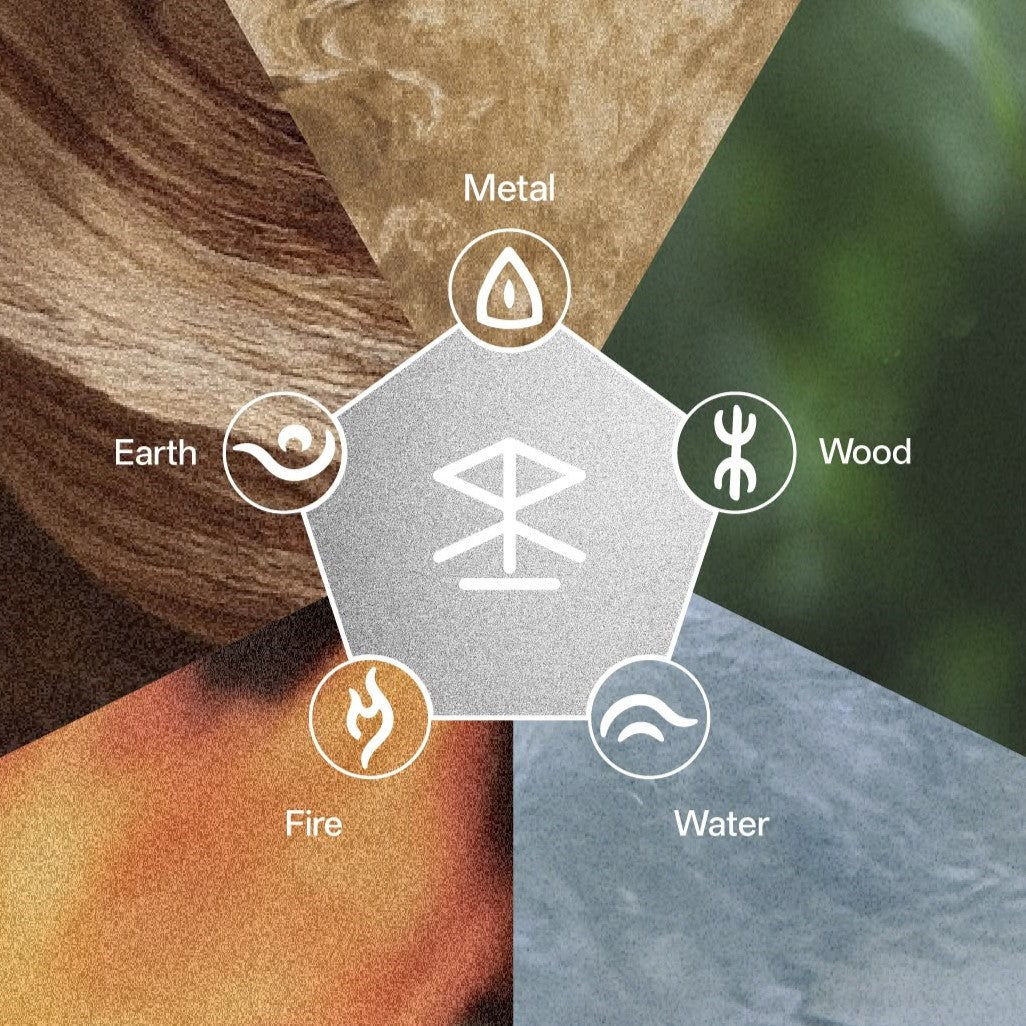
The tea finder helps with a different flavour direction. For a cultural starting point, explore the Five Elements collection alongside the tea’s actual description.
The Five Elements collection
Wood
A cultural connection to explore alongside the flavour of your tea.
Explore Wood teasHow do I brew it?
Mug or teapot: start with 3 g per 250 ml, 90–95°C / 194–203°F, 2–3 minutes. Gongfu: start with 4–6 g per 100–120 ml, 90–100°C / 194–212°F, 5–15 seconds for the first infusion. Pour out fully and lengthen later steeps gradually.
What should I confirm about the pack?
Ask us for the current net contents or portion count if it is not shown in the listing. That detail helps you compare a single pack with a paired set before buying.
Does this tea contain caffeine?
Yes. The regular tea leaves contain caffeine, including when blended with flowers or citrus. We do not infer a tested caffeine amount from the colour, age or name of the tea. Read the caffeine guide.
Where can I check delivery and after-sales information?
Shipping and delivery explains preparation and the checkout options. For an item issue, use customer support and the published Refund Policy.