




Ask about Yiwu Mountain Raw Pu-erh Tea Cake · 200g

Raw Pu-erh Tea
Honeyed and floral, in a Yiwu cake
A 200g Yiwu raw Pu-erh cake with a smooth body and honeyed, floral sweetness. A softer tasting direction within our raw Pu-erh range.
Choose this 200g stone-pressed cake for the smooth body and honeyed, floral direction described in the listing. It provides a useful point of comparison with firmer raw pu-erh blends. Brew both with comparable portions before deciding which style you prefer for a longer tea session.
- Ingredients
- Raw pu-erh tea leaves
- Origin
- Yiwu, Yunnan, China
- Format
- 200g stone-pressed tea cake

At home
Preparing your cup
Mug or teapot: start with 3 g per 250 ml, 90–95°C / 194–203°F, 2–3 minutes. Gongfu: start with 4–6 g per 100–120 ml, 90–100°C / 194–212°F, 5–15 seconds for the first infusion. Pour out fully and lengthen later steeps gradually.
Keep dry tea in a cool, dry, odour-free place, protected from sunlight, heat and moisture. Close the pack after use and keep aromatic blends separate from strong-smelling foods.
Separate the leaf along the cake’s layers, then give the portion room to open. Keep a note of the first recipe you enjoy; a small adjustment to time can be more useful than adding more tea.
Compare mug and gongfu preparation · Look after the remaining tea.
A useful comparison
Find the distinction that matters to you.
For comparison, Bulang Mountain Raw Pu-erh Tea Cake: Compare this structured raw pu-erh cake blending Bulang Mountain, Nanuo and Banpen tea. Read portioning notes and follow the bitter-to-sweet finish.
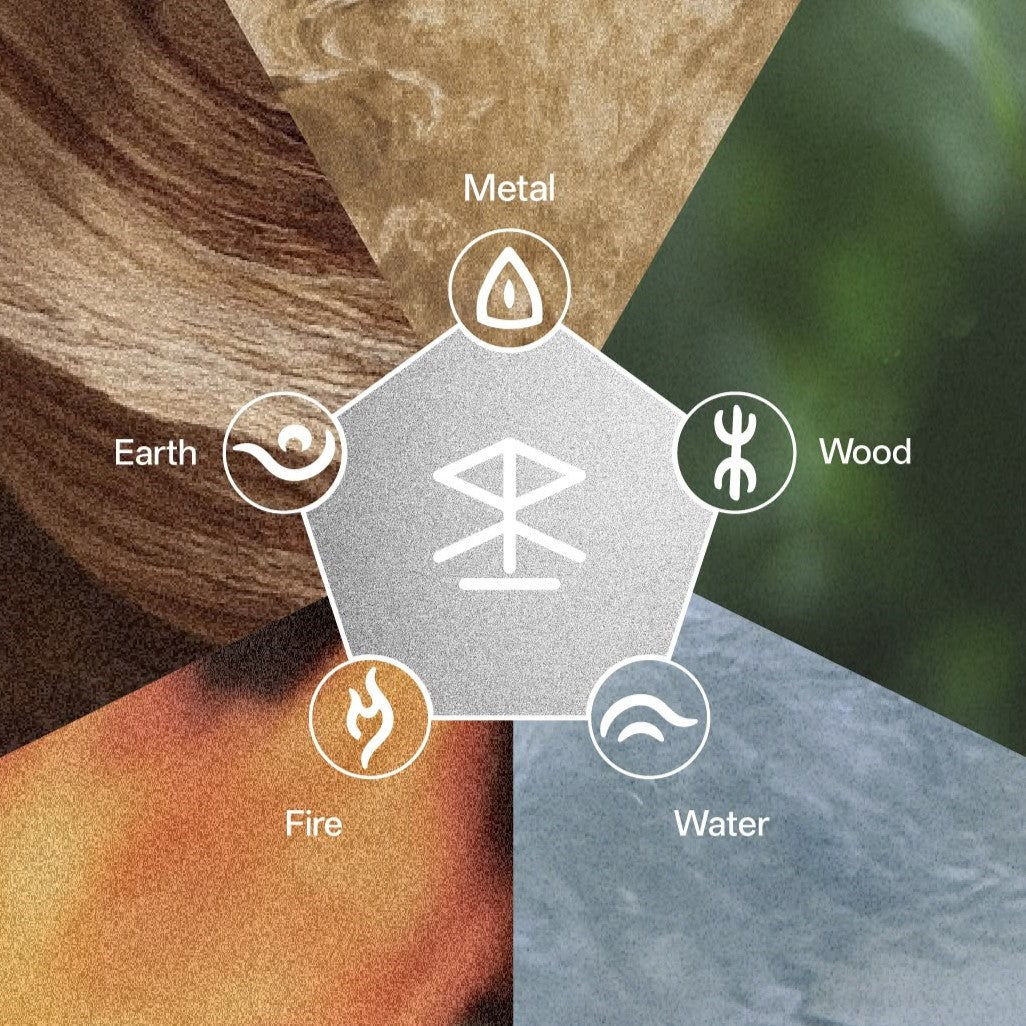
The tea finder helps with a different flavour direction. For a cultural starting point, explore the Five Elements collection alongside the tea’s actual description.
The Five Elements collection
Wood
A cultural connection to explore alongside the flavour of your tea.
Explore Wood teasHow do I brew it?
Mug or teapot: start with 3 g per 250 ml, 90–95°C / 194–203°F, 2–3 minutes. Gongfu: start with 4–6 g per 100–120 ml, 90–100°C / 194–212°F, 5–15 seconds for the first infusion. Pour out fully and lengthen later steeps gradually.
Does this tea contain caffeine?
Yes. The regular tea leaves contain caffeine, including when blended with flowers or citrus. We do not infer a tested caffeine amount from the colour, age or name of the tea. Read the caffeine guide.
Where can I check delivery and after-sales information?
Shipping and delivery explains preparation and the checkout options. For an item issue, use customer support and the published Refund Policy.