


Pu-erh Tea – The Living Legacy of Fermented Tea
"Aged to Perfection, Timeless in Tradition" Core Origins & Styles Key Production Regions: Yunnan Province (Birthplace) Xishuangbanna: Ancient tree P...
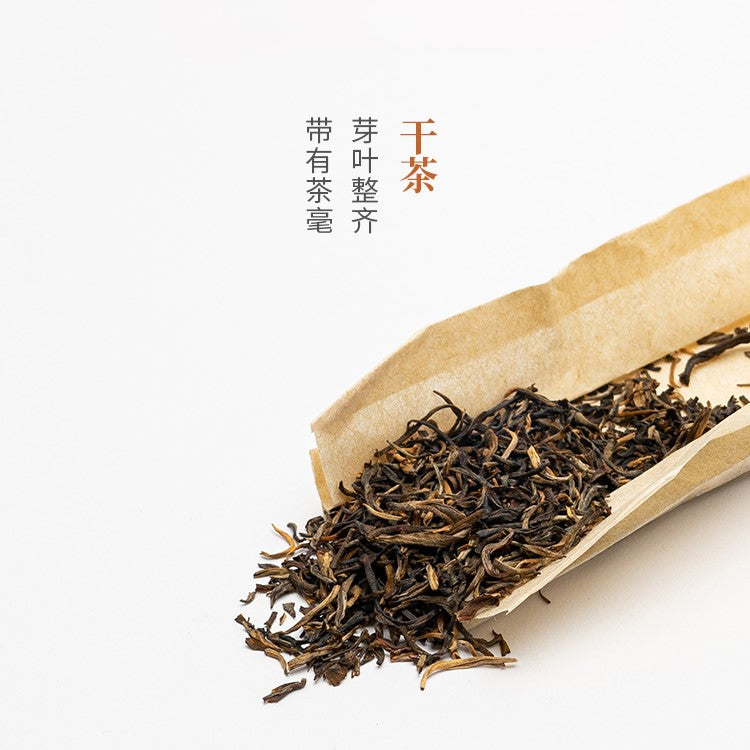
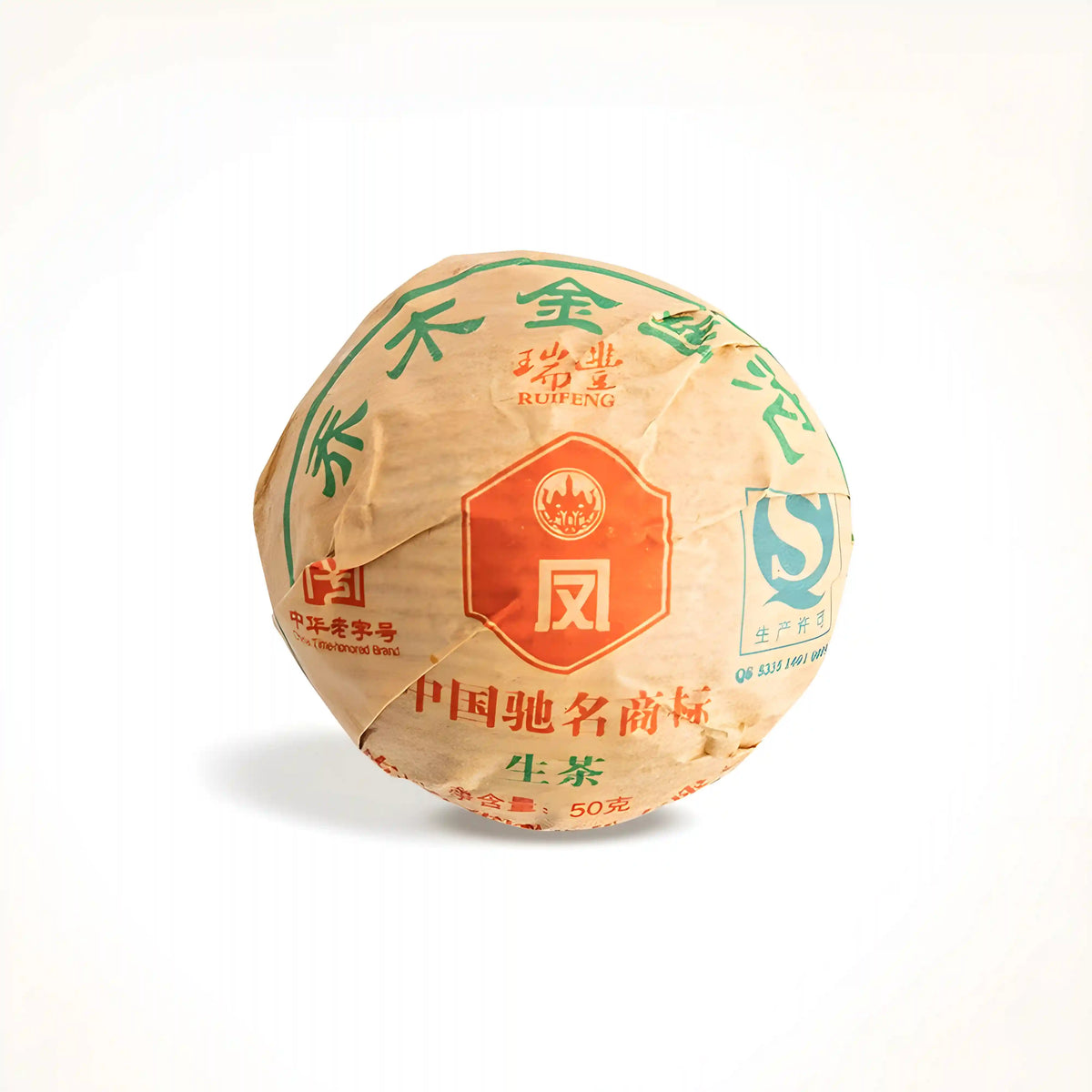
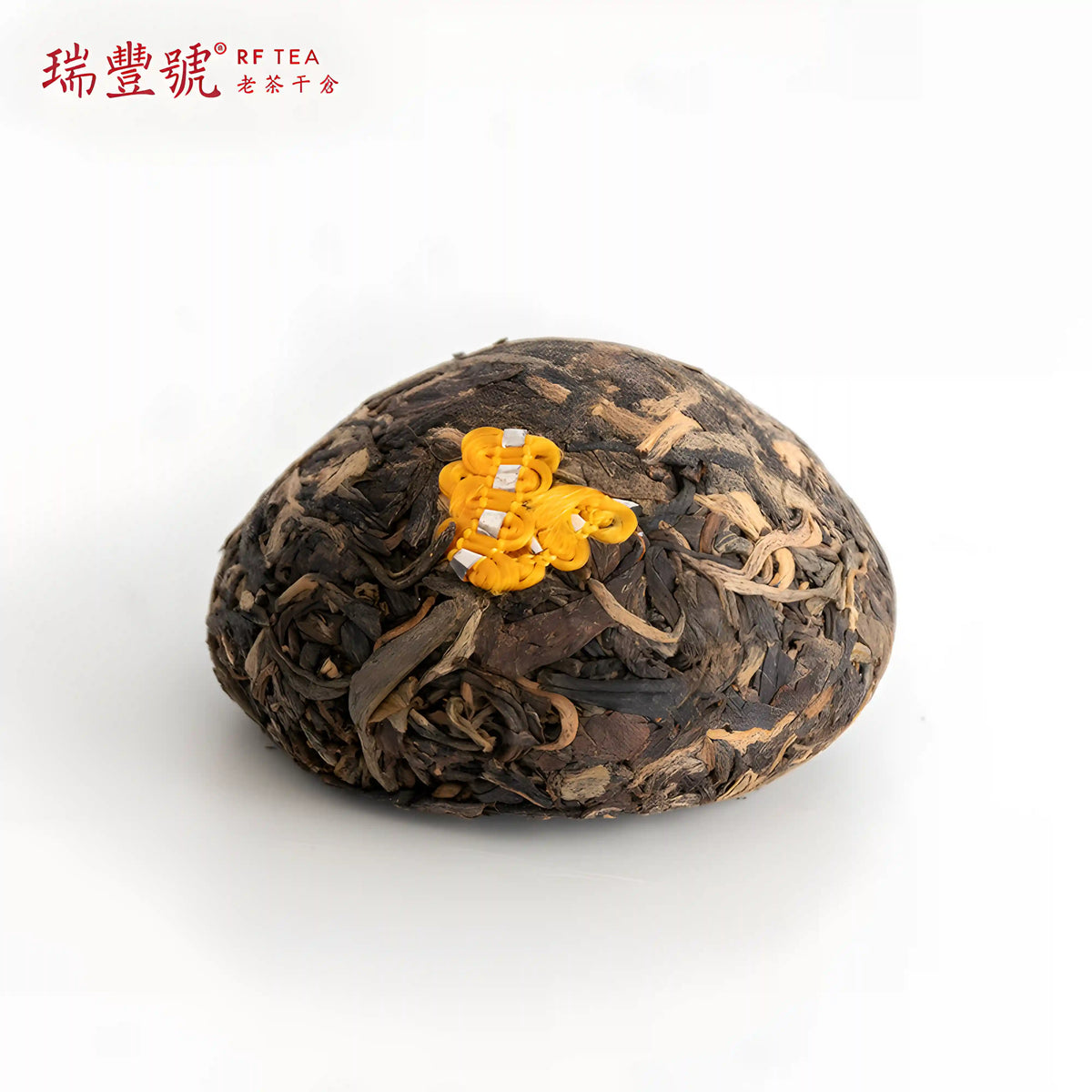
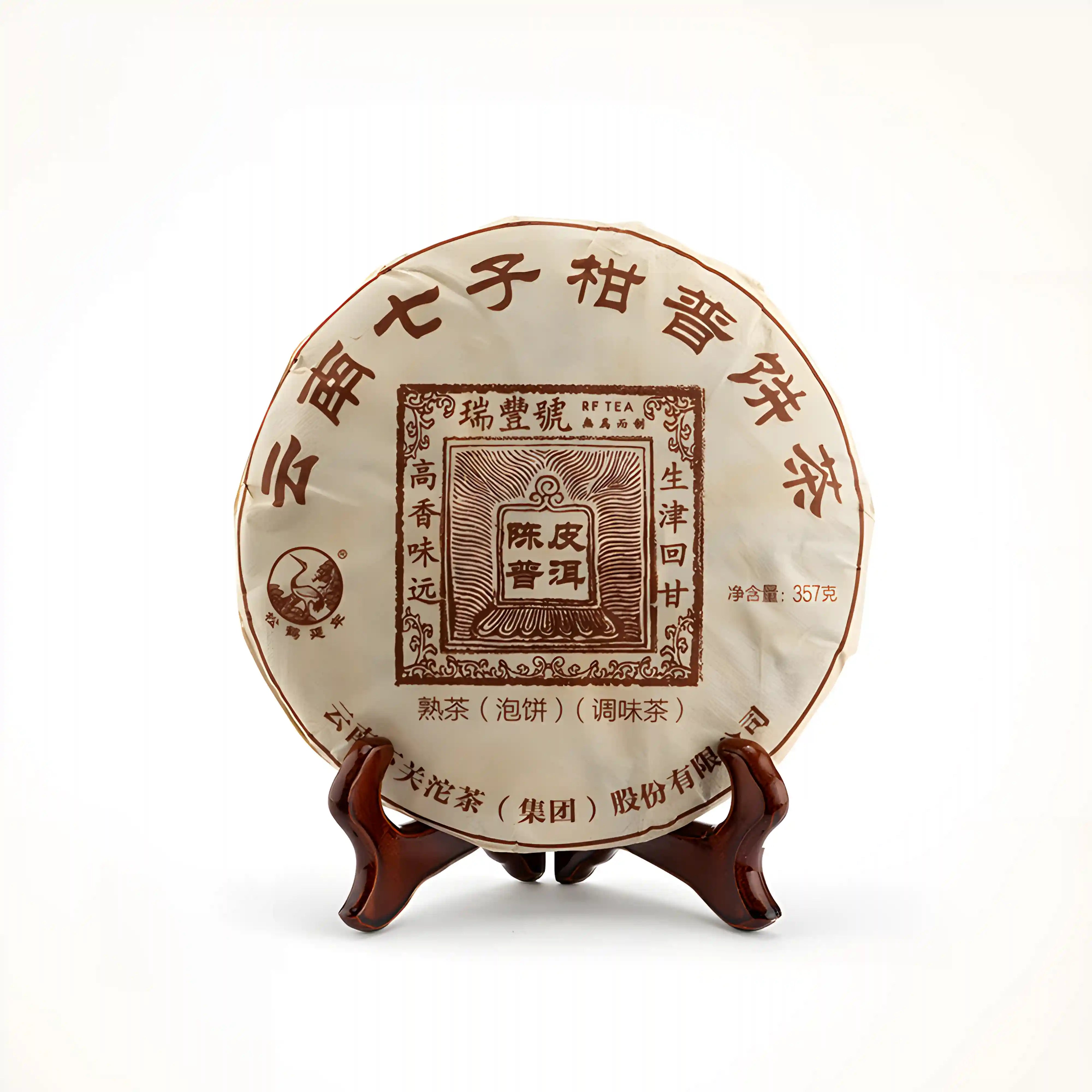

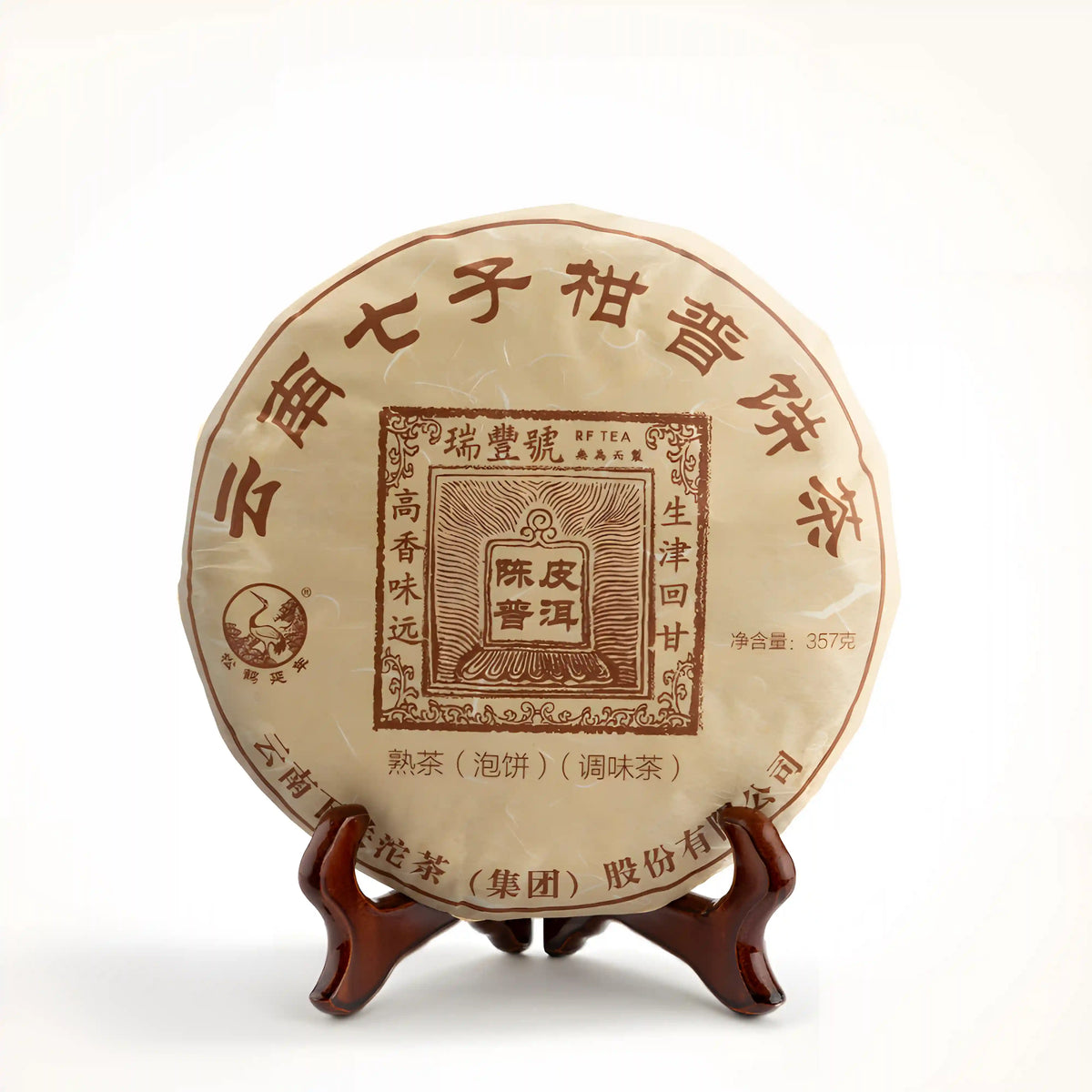

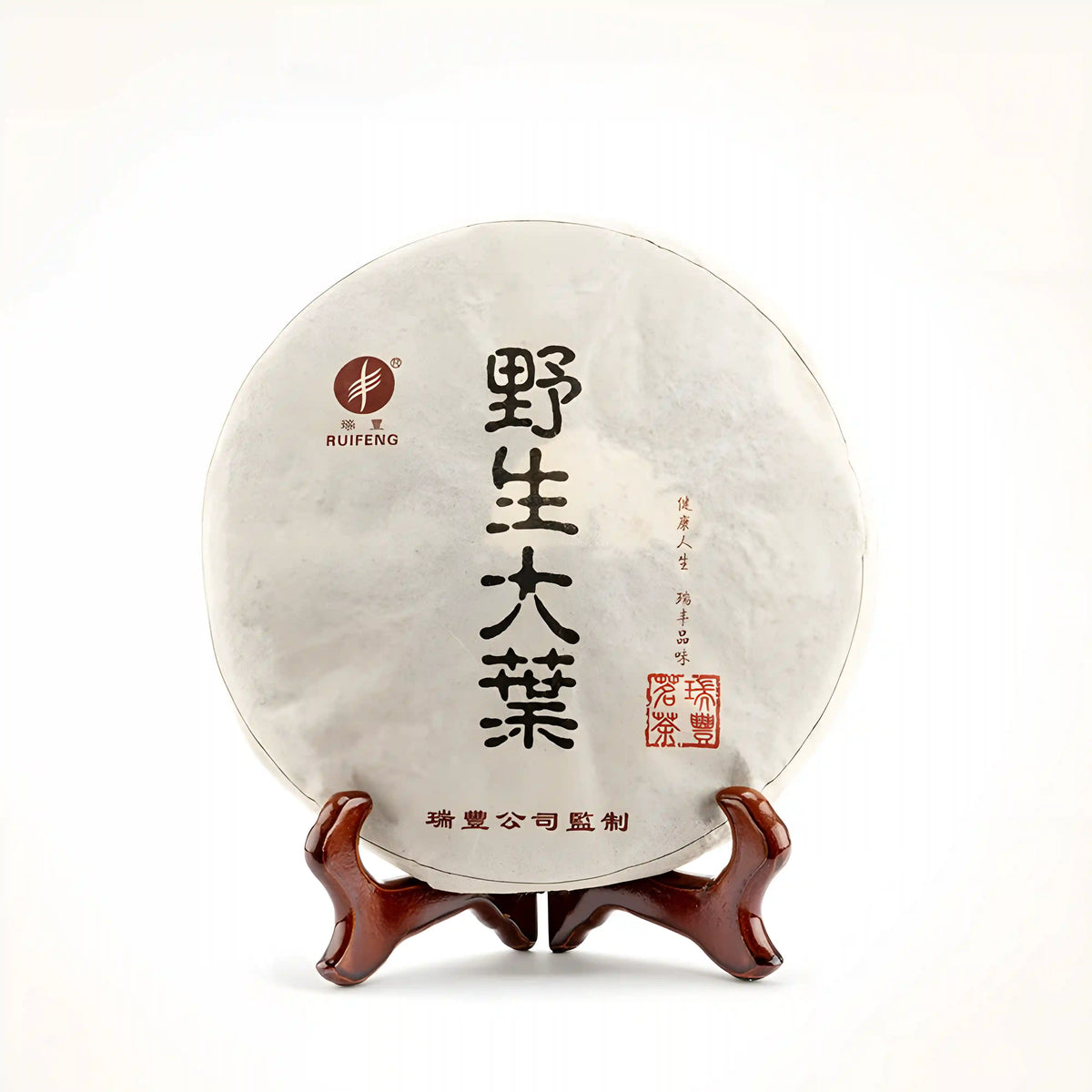
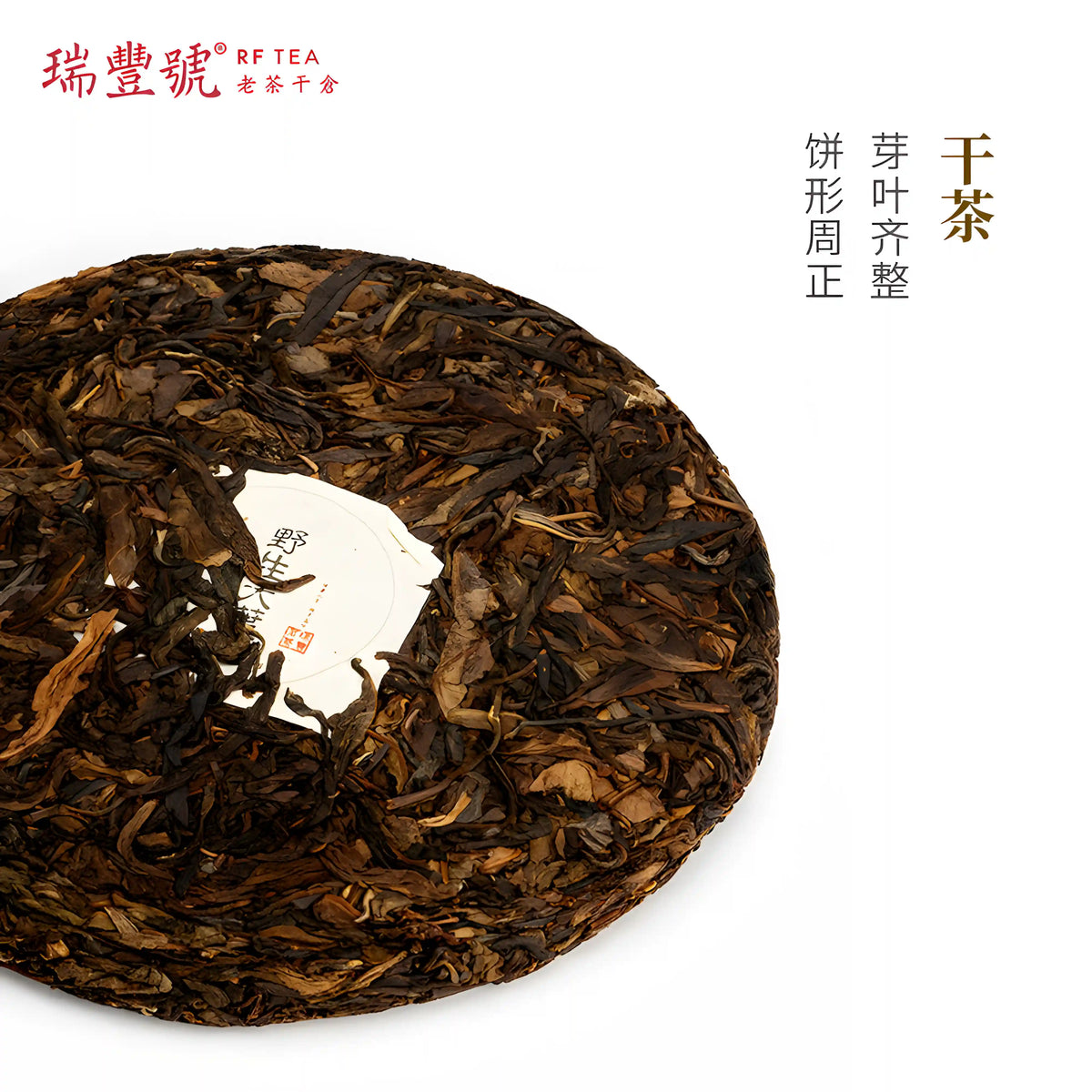


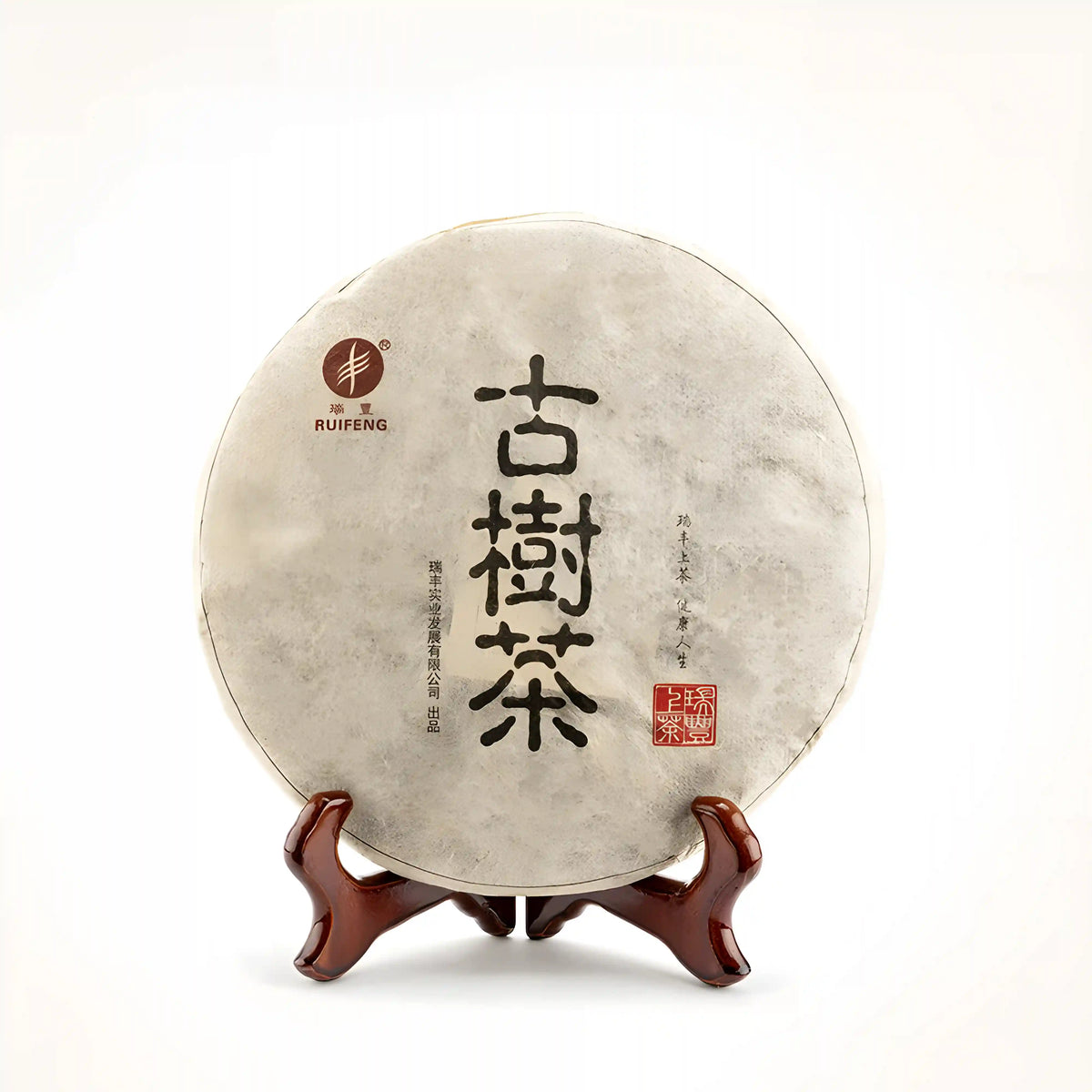
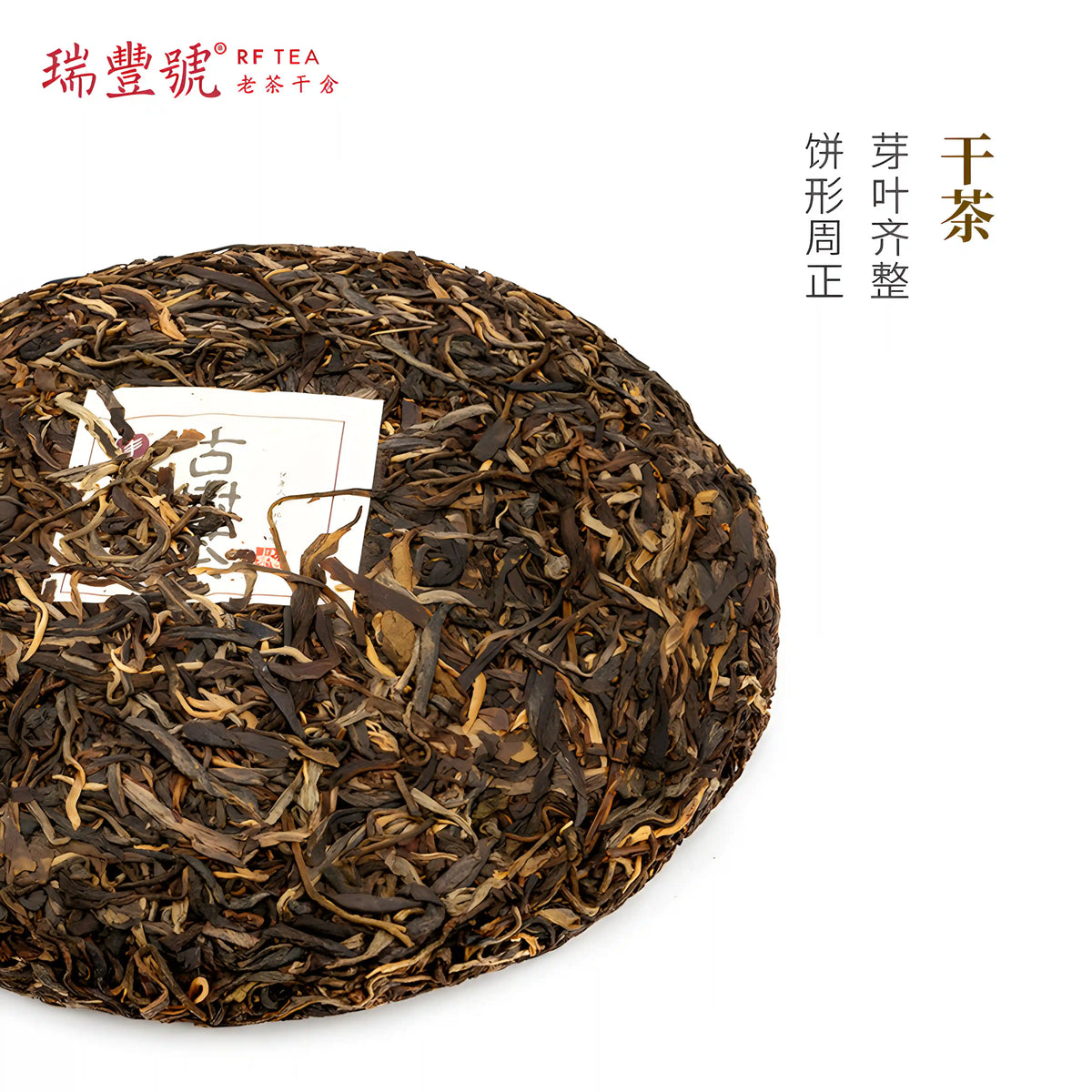
"Aged to Perfection, Timeless in Tradition"
Core Origins & Styles
Key Production Regions:
Yunnan Province (Birthplace)
Xishuangbanna: Ancient tree Pu-erh (200+ years)
Lincang: Wild arbor tea forests
Pu'er City: Modern fermentation hub
Processing Types:
▸ Raw (Sheng) Pu-erh: Sun-dried, naturally fermented
▸ Ripe (Shou) Pu-erh: Pile-fermented (invented 1973)
Aging Potential:
Raw: 10-30+ years (develops honey → camphor notes)
Ripe: 3-5 years optimal (earthy → sweet profile)
Traditional Craftsmanship
Raw Pu-erh Process:
Kill-Green: Wok-fired at 280°C
Sun-Drying: 3 days on bamboo mats
Stone-Pressing: Traditional circular cakes
Ripe Pu-erh Fermentation:
45-day controlled microbial pile (湿度60-70%)
Turned every 7 days for even fermentation
Health Benefits
• Gut Health: 400+ microbial strains aid digestion
• Cholesterol: Statin-like compounds (Lovastatin)
• Detox: Theabrownins bind heavy metals
Brewing Guide
Traditional Method:
5g : 100ml @100°C
2 quick rinses → 15s first infusion → +5s each steep
Yields 10+ infusions
Grandpa Style:
1g : 150ml in thermos → refill all day
Cold Brew (Summer):
3g : 500ml → refrigerate 8hrs
Flavor Evolution
| Age | Raw Pu-erh | Ripe Pu-erh |
|---|---|---|
| 1-3 yrs | Apricot, Green Apple | Walnut, Damp Earth |
| 5-10 yrs | Honey, Cedar | Dates, Chocolate |
| 15+ yrs | Ginseng, Camphor | Molasses, Truffle |
Pro Tip:
Store raw Pu-erh at 65% humidity for optimal aging - use clay jars for micro-oxidation.